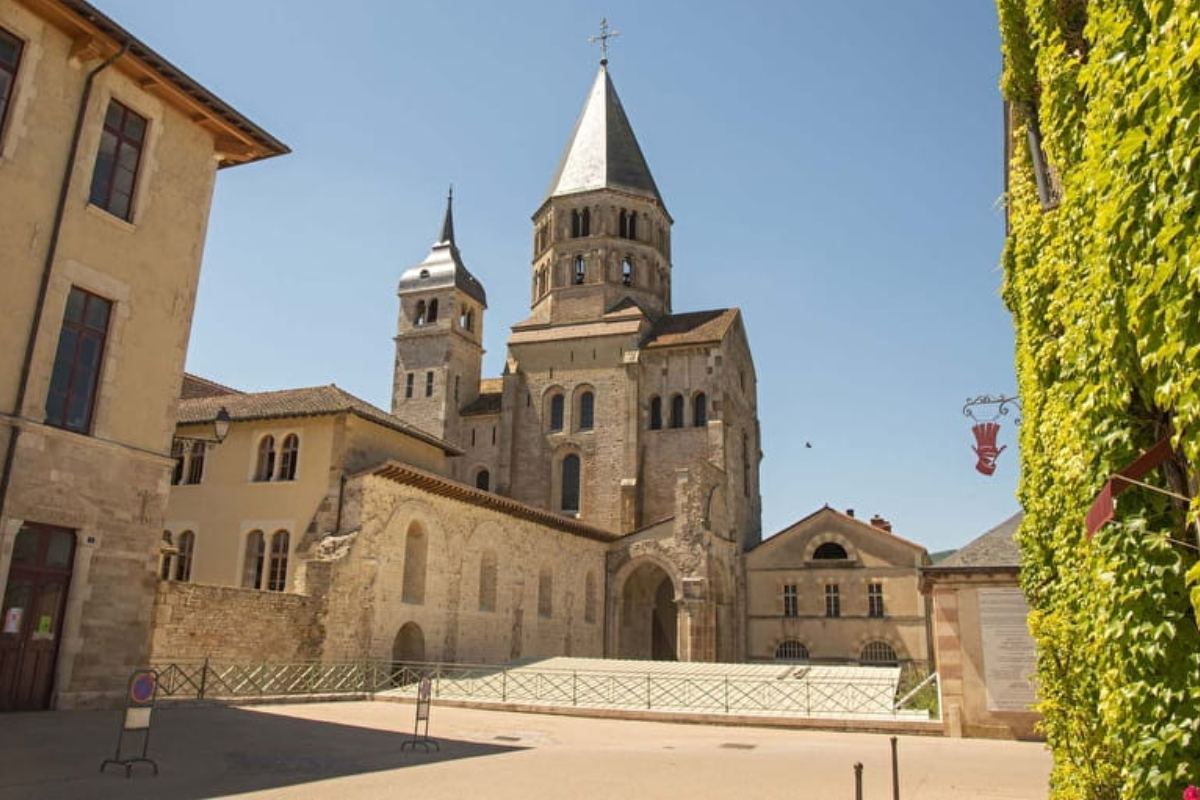
The Abbey of Cluny stands as one of Burgundy’s most remarkable historical landmarks. Founded in 910, it became the heart of a religious movement that shaped medieval Europe. Travelers and history enthusiasts alike are drawn to Cluny not only for its spiritual significance but also for its architectural and cultural legacy. Visiting this site offers a glimpse into the lives of monks, the evolution of monastic practices, and the broader impact of the abbey on European society. Understanding the abbey’s history allows visitors to appreciate the profound changes it inspired across centuries, making a trip to Cluny both educational and inspiring.
Before delving into the main history and influence of the Abbey, it’s helpful to see an overview of its legacy and what makes it so significant.
Abbey of Cluny: A Brief Historical Overview
The Abbey of Cluny grew from modest beginnings into a cornerstone of European medieval culture. Its rise marked a turning point in monastic life, demonstrating the power of faith combined with disciplined practice. The abbey’s influence extended well beyond Burgundy, touching distant regions through its network of affiliated monasteries.
To quickly grasp its importance, consider the following highlights:
- Founded in 910 by William I, Duke of Aquitaine, to strengthen monastic reform.
- Expanded into a network of hundreds of monasteries across Europe.
- Served as a center of art, architecture, and sacred music.
- Influenced religious and cultural practices across medieval Europe.
- Remains a site of historical exploration and tourism today.
This summary sets the stage for a deeper look at the Abbey’s founding, cultural contributions, and what visitors can experience when exploring this remarkable site.
History of the Abbey of Cluny
The story of the Abbey of Cluny begins with vision and reform. Its founders sought to free the monastery from local political pressures and create a community devoted fully to religious life. Over time, the Abbey became a symbol of discipline, art, and spiritual authority.
Founding and Early Years
Founded in 910, the abbey began as a small Benedictine monastery. William I, Duke of Aquitaine, donated land and resources to ensure the monks could follow a strict monastic rule. The abbey emphasized prayer, labor, and learning, setting it apart from other religious institutions of the time. Travelers exploring the tradition of medieval heritage of Autun will notice how similar monastic principles shaped nearby towns and communities.
The early monks focused on spiritual devotion and communal life, which laid the foundation for Cluny’s future influence. This approach helped standardize religious practices across Europe.
Cluniac Reforms and Expansion
By the 11th century, Cluny had established itself as the center of the Cluniac Order. The Abbey oversaw a network of over a thousand monasteries spanning France, Spain, Italy, and beyond. These monasteries followed the same strict practices, emphasizing liturgy, charity, and scholarly work.
The Cluniac reforms strengthened the authority of the church and inspired other religious communities. Monks were not just secluded; they influenced local governance, art, and education. This widespread network allowed Cluny to leave a lasting imprint on medieval Europe.
Architectural Marvels
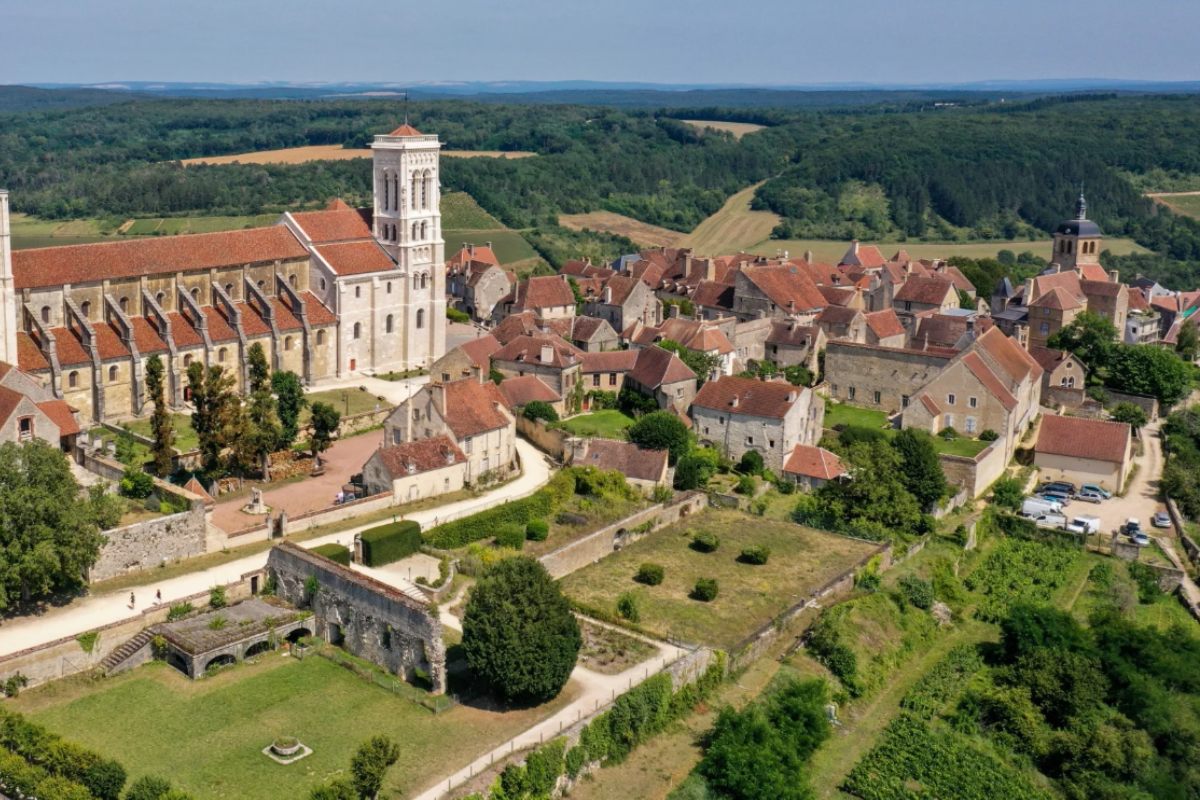
The Abbey of Cluny was an architectural achievement. Its third church, Cluny III, was the largest in Christendom at the time, surpassing even the size of some cathedrals. Visitors today can explore remnants of its grandeur, including arches, columns, and fragments of sculptural decoration. Those intrigued by the spiritual history of Vézelay will recognize similar artistic influences, demonstrating how Cluny inspired religious art across the region.
The abbey’s design emphasized both scale and beauty. Its long nave, elegant cloisters, and elaborate altar spaces reflected the importance of worship while inspiring awe among all who visited.
Cultural and Religious Influence
The Abbey of Cluny was not only a religious institution but also a hub of European culture. Its influence shaped monastic practices, artistic styles, and the political landscape of medieval Europe.
Religious Authority and Monastic Networks
Cluny gained considerable religious authority. The abbey reported directly to the pope, bypassing local bishops, which allowed it to maintain independence and enforce its reforms. Its affiliated monasteries followed strict rules that balanced prayer, study, and work.
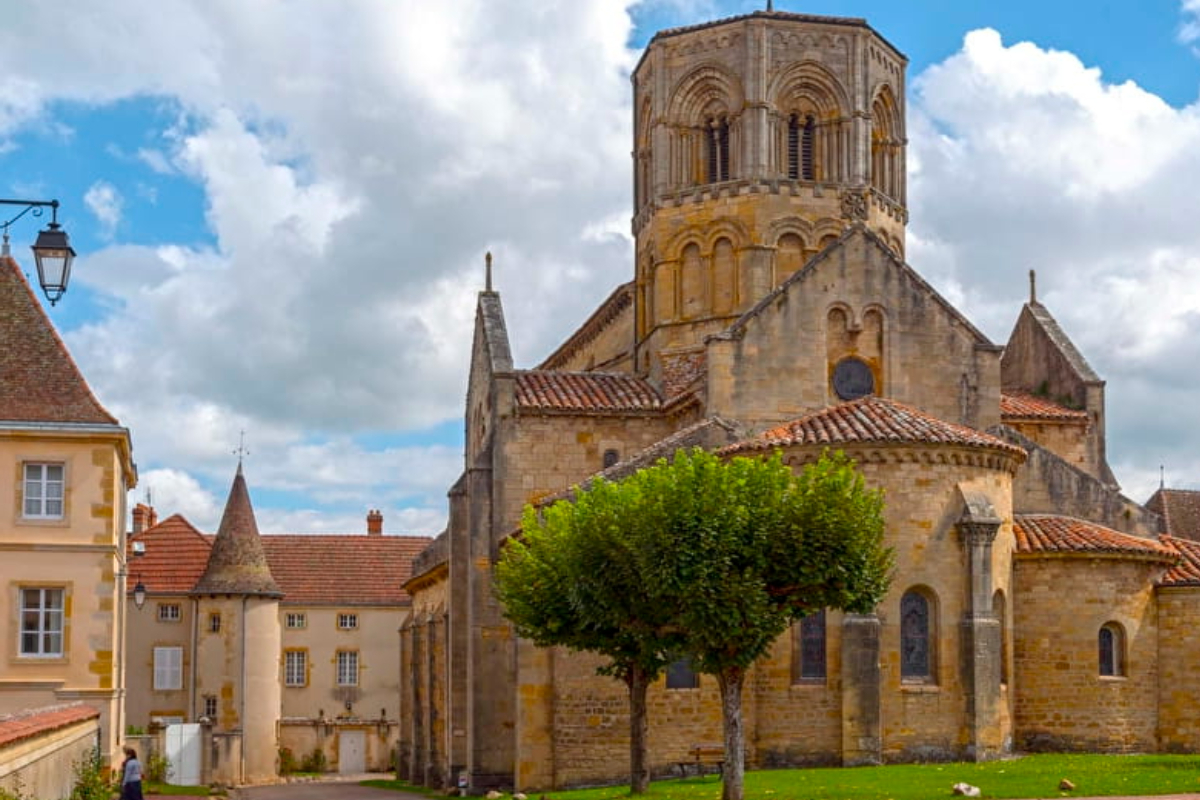
The Abbey also served as a model for spiritual and political leadership. Monks advised kings, influenced church councils, and supported charitable works. Visitors exploring a medieval Burgundy town like Semur en Auxois can see how the principles practiced at Cluny shaped local traditions and architecture.
Artistic and Musical Contributions
Art and music flourished under Cluny’s influence. The abbey played a key role in developing Romanesque sculpture, frescoes, and illuminated manuscripts. Its musical innovations, including elaborate liturgical chants, spread across Europe, enriching religious ceremonies far beyond Burgundy.
Artistic and cultural achievements at Cluny encouraged monasteries to produce their own works, creating a ripple effect of creative expression that defined much of medieval Europe.
Visiting the Abbey of Cluny Today
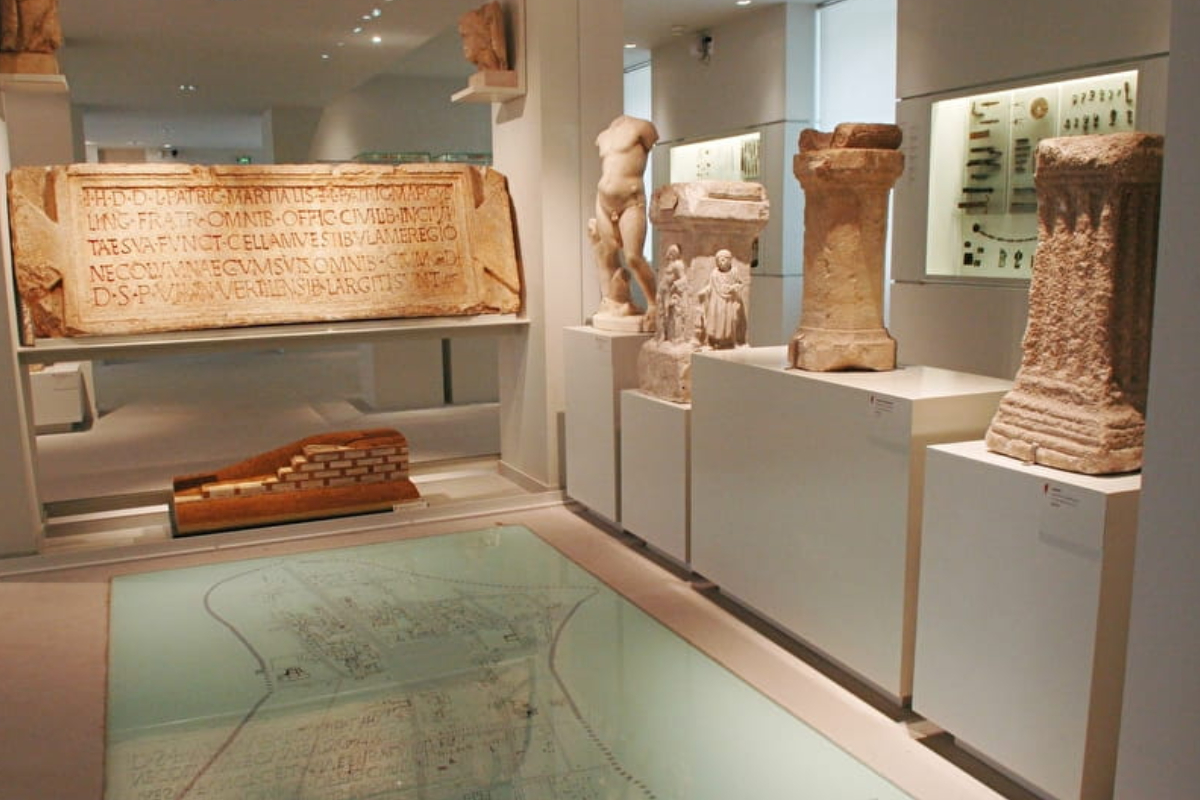
A trip to the Abbey of Cluny offers more than historical knowledge; it provides a chance to experience the scale and artistry of medieval monastic life firsthand. Though much of Cluny III has been lost, visitors can explore the remaining structures and museum exhibits that display relics, manuscripts, and architectural fragments.
Exploring the Site
Walking through the abbey’s ruins, travelers encounter the grandeur of Romanesque design. Columns and arches hint at the immense size of the original structures, while sculptures reveal the artistic sophistication of the monks’ era. Guided tours help contextualize what remains and provide insight into the daily life of medieval monastic communities.
Nearby Attractions and Travel Tips
Cluny is surrounded by charming towns and scenic landscapes. Visitors can combine their trip with excursions to vineyards, historical sites, and other monastic landmarks in Burgundy. Planning a visit in spring or early autumn allows for pleasant weather and fewer crowds, making the experience more enjoyable and reflective.
Legacy of the Abbey of Cluny
The Abbey of Cluny remains a symbol of medieval religious power, cultural achievement, and architectural innovation. Its reforms shaped the spiritual life of Europe, and its artistic contributions inspired generations.
Today, visitors can appreciate both the history and the broader influence of the Abbey. Understanding Cluny allows travelers to connect with the ideas and traditions that defined medieval Europe, enriching their journey through Burgundy. For those wanting a deeper understanding, the history of Cluny Abbey provides extensive insight into its role across medieval Europe, from monastic reforms to cultural achievements.