The traditional cattle farming of Burgundy has shaped the region’s landscape, gastronomy, and culture for centuries. The rolling pastures, historic farms, and dedicated breeders contribute to a beef tradition that is both unique and celebrated. Visitors to Burgundy often find themselves fascinated not only by the wines but also by the quality of locally raised beef. Understanding the practices behind this heritage helps travelers appreciate why the region’s cattle and beef are renowned worldwide.
For those planning a visit, this guide will offer insight into the history, breeds, seasonal practices, culinary experiences, and agritourism opportunities tied to Burgundy’s cattle farms. By exploring these elements, readers can gain a deeper appreciation of both the food and the traditions behind it.
Burgundy Traditional Cattle Farming: A Quick Guide to the Region’s Beef Culture
Before diving into the detailed practices, it’s useful to have an overview of what makes Burgundy’s beef culture so distinctive. The region combines careful breeding, natural grazing, and traditional rearing methods to produce high-quality meat prized in gastronomy.
Visitors often want to know the key points at a glance. Here’s a snapshot of what defines Burgundy’s traditional cattle farming:
- The region is home to notable cattle breeds, especially Charolais, known for its tender and flavorful beef.
- Farms follow seasonal cycles for breeding, grazing, and slaughter to maintain quality.
- Local culinary traditions incorporate beef into classic dishes, reflecting centuries of careful farming.
- Farm tours, local markets, and culinary experiences allow visitors to engage directly with the culture.
This summary sets the stage for a more in-depth exploration of Burgundy’s cattle farming heritage and practical guidance for travelers.
Understanding Burgundy Traditional Cattle Farming
Burgundy traditional cattle farming is more than an agricultural practice; it is a cultural cornerstone. The methods used today reflect centuries of adaptation, combining historical techniques with modern animal welfare standards. Travelers can witness both the beauty of the countryside and the meticulous care involved in raising cattle.
History and Heritage of Cattle Farming
Cattle farming in Burgundy dates back to the Middle Ages, when noble estates and monasteries maintained herds for meat, milk, and labor. Over time, local breeds were selected for their resilience and meat quality. This long history has preserved traditional techniques, including pasture rotation and natural grazing.
Understanding this heritage helps visitors appreciate the region’s traditional Burgundy dishes, where every cut of beef tells a story of careful breeding and local expertise. Many of the classic recipes in Burgundy still rely on these locally raised cattle for their distinct flavor and texture.
Key Breeds and Farming Techniques
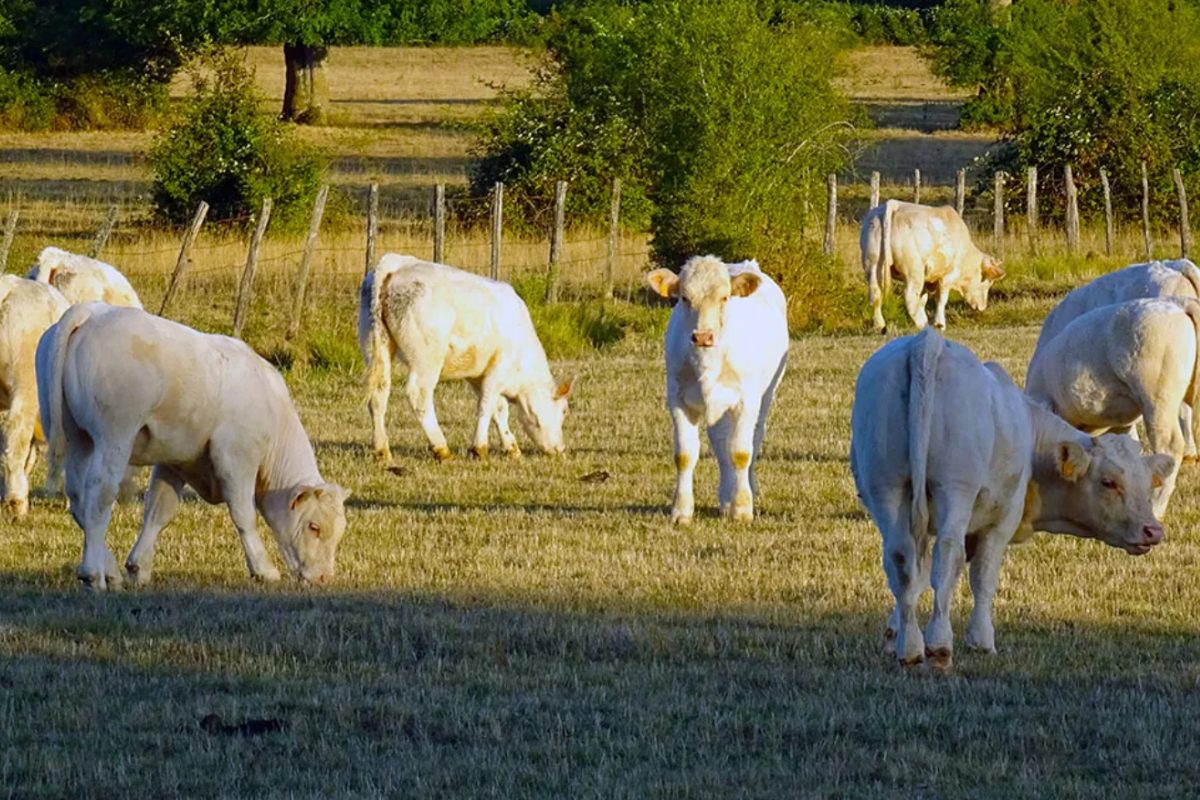
Charolais cattle dominate the pastures of Burgundy, prized for their lean meat and tender texture. Limousin and other regional breeds also contribute to the diversity of the herd. Farmers prioritize natural grazing on nutrient-rich pastures, allowing cattle to develop slowly and naturally, which enhances flavor and quality.
In addition to grazing, farmers pay close attention to feed, health, and welfare. This commitment ensures that the beef reaching local tables is of the highest standard. Visitors can often see these practices firsthand at working farms, connecting the traditions to tangible results. Many travelers find that visiting towns like Saulieu showcases Burgundy’s gastronomic traditions, linking farming directly to cuisine.
Seasonal Farming Calendar
The cycle of cattle farming in Burgundy follows a rhythm aligned with nature. Breeding typically begins in spring, with calves arriving in late winter or early spring. Summer months are devoted to grazing, while autumn focuses on fattening and preparation for winter. Slaughter and butchering occur at specific times to optimize meat quality.
Travelers seeking an authentic experience can plan their visits according to this calendar. Farm tours are often seasonal, giving visitors the chance to witness different stages of the traditional cattle farming of Burgundy throughout the year.
Experiencing Burgundy Beef as a Visitor
For those who love food and culture, experiencing Burgundy beef goes beyond observing farms. There are several ways to immerse yourself in the region’s cattle farming culture.
Farm Tours and Educational Visits
Many working farms welcome visitors, offering guided tours where travelers can see cattle grazing, learn about feeding practices, and understand the effort involved in traditional farming. These tours highlight the dedication required to maintain high-quality herds and provide insight into sustainable farming methods.
Participating in a farm visit enhances appreciation for the region’s Burgundy’s traditional cattle farming practices and allows for a hands-on understanding of the care invested in each animal.
Culinary Experiences
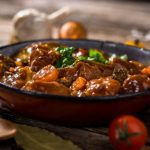
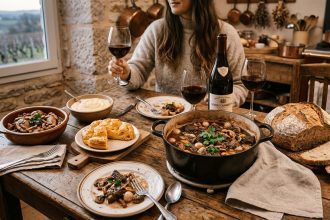
Burgundy beef is central to the region’s gastronomy. Restaurants, bistros, and markets often feature local cuts prepared according to centuries-old recipes. From hearty stews to perfectly roasted cuts, tasting these dishes connects visitors directly to the farming traditions that sustain them.
Pairing beef with regional wines complements Burgundy’s craft traditions, reflecting how agriculture, gastronomy, and local culture are intertwined. Travelers are encouraged to ask chefs or butchers about the origin of their beef to deepen the culinary experience.
Local Markets and Festivals
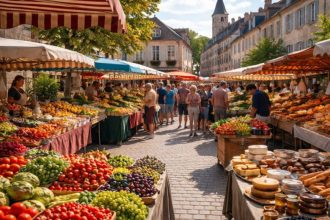
Throughout the year, local markets and seasonal fairs showcase the best of Burgundy beef. Visitors can purchase fresh cuts, charcuterie, and other specialty products directly from producers. Festivals often feature tastings and demonstrations, giving travelers a unique window into the social and cultural life surrounding cattle farming.
These events also highlight the connection between farming, cuisine, and community, allowing visitors to see how the traditional cattle farming of Burgundy shapes local identity.
Visiting Cattle Farms and Agritourism Experiences in Burgundy
For travelers who want a hands-on understanding of the place’s traditional cattle farming, farm visits, and agritourism experiences offer an unforgettable way to connect with the region’s heritage. Many farms welcome visitors to see the day-to-day operations, from grazing and feeding to observing the natural care of the herds.
Interactive Farm Tours
Visitors can participate in guided tours that explain breeding methods, pasture management, and traditional feeding practices. Children and adults alike enjoy seeing calves, learning about sustainable farming, and meeting farmers who are passionate about their work. These tours often include tastings of farm-fresh products, giving guests a direct connection to the food they enjoy later at local restaurants.
Workshops and Experiences
Some farms offer hands-on workshops, such as learning to prepare beef-based recipes, visiting butchery demonstrations, or helping with seasonal tasks like feeding or pasture maintenance. These experiences allow visitors to truly immerse themselves in the traditional cattle farming of Burgundy, gaining insights that go beyond observation.
Staying on a Farm
For those who want a longer experience, staying at a farmhouse or agritourism property provides a unique perspective. Guests can wake up to the sounds of grazing cattle, participate in morning routines, and enjoy meals featuring locally sourced beef. This kind of stay enhances the connection between the land, the animals, and the culinary traditions of Burgundy.
Preserving and Enjoying Burgundy Traditional Cattle Farming
Experiencing Burgundy beef firsthand offers more than taste; it provides insight into centuries of tradition and dedication. Travelers who visit farms, markets, and restaurants develop a deeper appreciation for the care and expertise that go into raising cattle in the region.
For those interested in the breeds behind the meat, learn more about the Charolais cattle breed. Engaging with these traditions helps ensure that Burgundy’s cattle farming heritage remains vibrant for future generations.
Burgundy traditional cattle farming is a living culture, one that invites visitors to savor its flavors, observe its practices, and participate in a legacy that has shaped the region for centuries. Experiencing it firsthand creates memories and understanding that last far beyond a single meal or visit.