Traditional Burgundy dishes offer a delicious window into the region’s history, culture, and way of life. Each meal reflects local ingredients, centuries of culinary expertise, and the care that goes into every preparation. For travelers, tasting these dishes provides an authentic connection to Burgundy beyond its vineyards and historic towns. From hearty meat stews to delicate pastries, the region’s food traditions make any visit truly memorable. Understanding what to eat and how it’s made helps visitors appreciate the culture behind each bite, encouraging them to explore markets, restaurants, and local kitchens.
Before diving into specific dishes, here’s a brief overview to guide your culinary journey.
A Taste of Traditional Dishes in Burgundy
Burgundy’s cuisine is full of rich flavors, regional ingredients, and time-honored cooking methods. Travelers can quickly grasp the essentials before exploring the details.
Here’s what to expect from traditional Burgundy dishes:
- Iconic meat dishes such as Boeuf Bourguignon and Coq au Vin
- Unique local delicacies like Escargots de Bourgogne and Gougères
- Regional cheeses, including Époisses and Comté
- Pastries and desserts such as Pain d’Épices
- Cooking styles emphasizing slow braising, wine-infused sauces, and seasonal ingredients
This summary provides a clear snapshot of the region’s culinary highlights before exploring each dish and the distinctive cooking methods.
Traditional Burgundy Dishes to Try
Burgundy offers a variety of dishes that reflect the region’s fertile lands, local produce, and careful preparation. Understanding these foods helps travelers know what to order and how to appreciate each flavor.
Boeuf Bourguignon
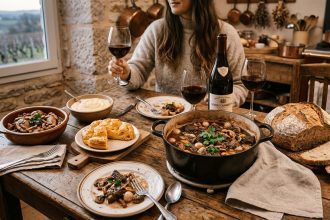
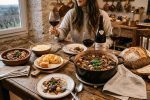
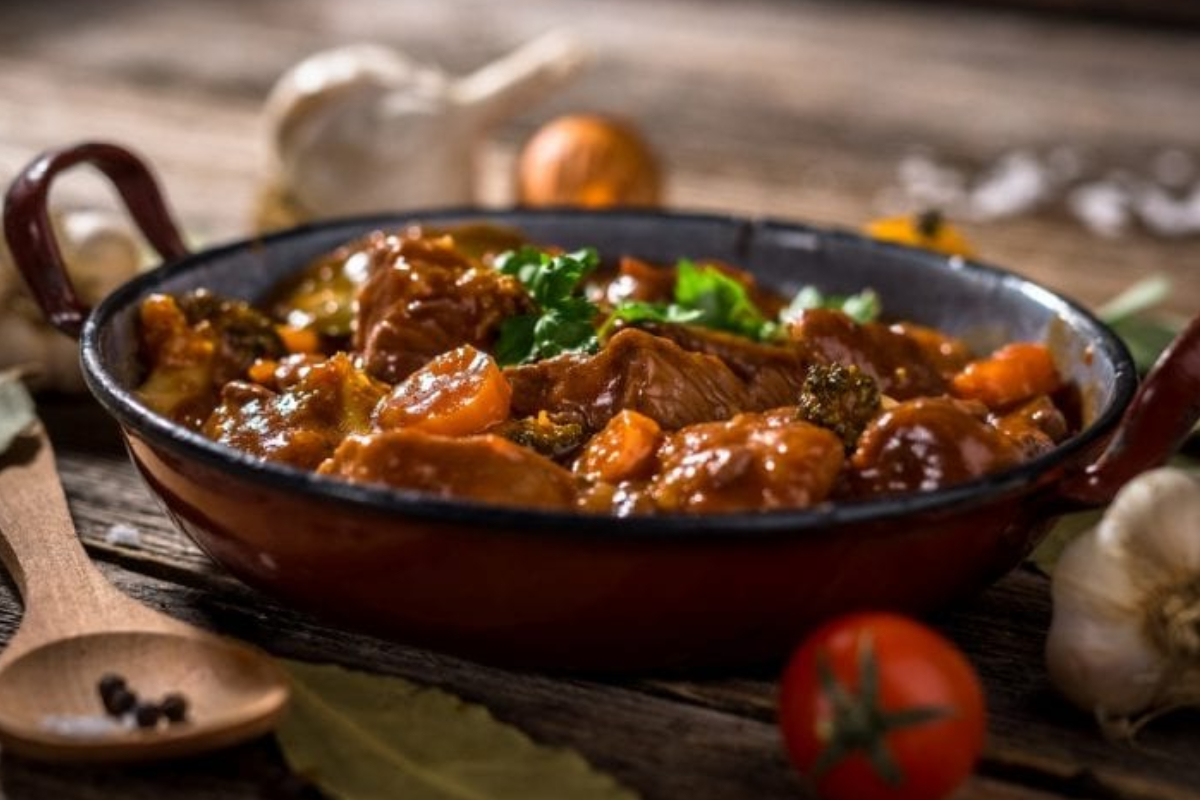
This slow-braised beef stew is a cornerstone of Burgundy cuisine. Chunks of tender beef are cooked with red wine, onions, carrots, and herbs until rich and flavorful. Many of these recipes rely on high-quality local beef, making Burgundy beef farming a cornerstone of the region’s culinary identity. Visiting a traditional bistro in a village like Beaune provides a chance to taste an authentic version of this iconic dish.
Coq au Vin
Coq au Vin features chicken simmered in Burgundy wine with mushrooms, bacon, and aromatic herbs. This dish demonstrates how local wines are essential to flavor development. The slow cooking method allows the chicken to absorb the wine’s richness, creating a hearty and comforting meal. Sampling it in a family-run restaurant provides both taste and context for its long history.
Escargots de Bourgogne
A delicacy unique to Burgundy, snails are cooked in garlic and herb butter, often served as an appetizer. This dish highlights the region’s inventive use of ingredients and its emphasis on bold flavors. It’s best enjoyed in restaurants that focus on traditional recipes, where you can appreciate the careful preparation.
Gougères
These cheese puffs are made from choux pastry mixed with local cheeses, often Époisses or Comté. They are light, savory, and perfect as a snack or alongside wine. Gougères reflect Burgundy’s cheese-making heritage and are commonly found in bistros and bakeries throughout the region.
Regional Cheeses
Burgundy is home to cheeses like Époisses, a pungent soft cheese, and Comté, known for its nutty flavor. These cheeses appear on tasting boards or complement meals. For travelers wanting to experience authentic flavors, visiting Burgundy food markets is the best way to sample local cheeses and other regional specialties. Markets provide the chance to interact with producers and understand the story behind each product.
Pain d’Épices
This spiced bread is a traditional dessert or accompaniment, often enjoyed during festivals or holidays. Its subtle sweetness and aromatic spices make it a perfect conclusion to a meal featuring other hearty Burgundy dishes.
Regional Cooking Styles of Burgundy
Beyond individual dishes, Burgundy’s cooking methods define the character of its cuisine. These styles ensure that traditional Burgundy dishes are consistently flavorful, tender, and true to the region’s heritage.
Slow Cooking and Braising
Many dishes, including Boeuf Bourguignon and Coq au Vin, rely on slow cooking or braising. These methods tenderize meats and infuse them with wine, herbs, and stock. Observing these techniques in a local kitchen or tasting the finished dish highlights the artistry and patience behind Burgundy’s cuisine.
Wine-Infused Recipes
Wine is central to Burgundy cooking, not just as a beverage. Recipes often include red or white wines to enhance sauces, marinades, and stews. Many local dishes demonstrate the region’s deep-rooted Burgundy winemaking traditions, showing how vineyards influence both the flavor and identity of the cuisine.
Seasonal and Fresh Ingredients
Chefs prioritize seasonal produce, fresh mushrooms, local herbs, and truffles. Using ingredients at their peak ensures that traditional Burgundy dishes retain authentic flavors. Travelers can participate in cooking classes or explore markets to see how these ingredients are used in real kitchens.
Festive Traditions in Cooking
Certain dishes are tied to holidays, harvest celebrations, or local festivals. Special menus showcase seasonal products, allowing visitors to taste dishes they might not find during other times of the year. Understanding these seasonal traditions adds a cultural dimension to each meal.
Where to Experience Traditional Burgundy Dishes
Burgundy’s cuisine is best enjoyed where it originates, whether in markets, bistros, or special events. Exploring these places helps visitors fully appreciate the dishes and their cultural context.
Local Restaurants and Bistros
Towns like Beaune, Dijon, and smaller villages are home to family-run restaurants serving authentic recipes. Travelers can order signature dishes such as Boeuf Bourguignon or Escargots de Bourgogne and enjoy them in a traditional setting. The atmosphere and presentation enhance the tasting experience.
Food Markets
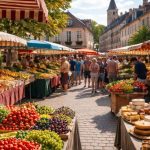
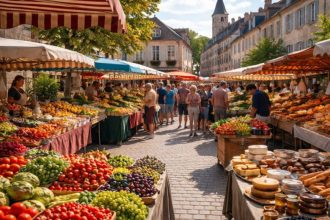
Markets across Burgundy showcase local cheeses, meats, and pastries. Seasonal produce is abundant, and visitors can sample or purchase ingredients to try at home. Exploring these markets is an interactive way to see where dishes begin and how ingredients reflect the region’s agricultural richness.
Festivals and Seasonal Events
Harvest festivals and wine celebrations feature regional dishes in their seasonal best. Timing a visit during these events allows travelers to enjoy unique foods, learn about local customs, and experience the festive spirit of Burgundy.
Relishing Traditional Burgundy Dishes Today
Tasting traditional Burgundy dishes offers more than nourishment; it provides a connection to the region’s history, land, and people. By visiting markets, sampling local recipes, and learning about cooking styles, travelers gain insight into Burgundy’s identity. Every dish tells a story, from the careful selection of ingredients to the slow-cooking methods that preserve centuries of culinary knowledge.
For those looking to deepen their understanding, exploring Burgundy’s culinary heritage provides additional context about the recipes, ingredients, and techniques that make this region’s food so special. Knowledge of these traditions makes each bite richer, more memorable, and more meaningful.