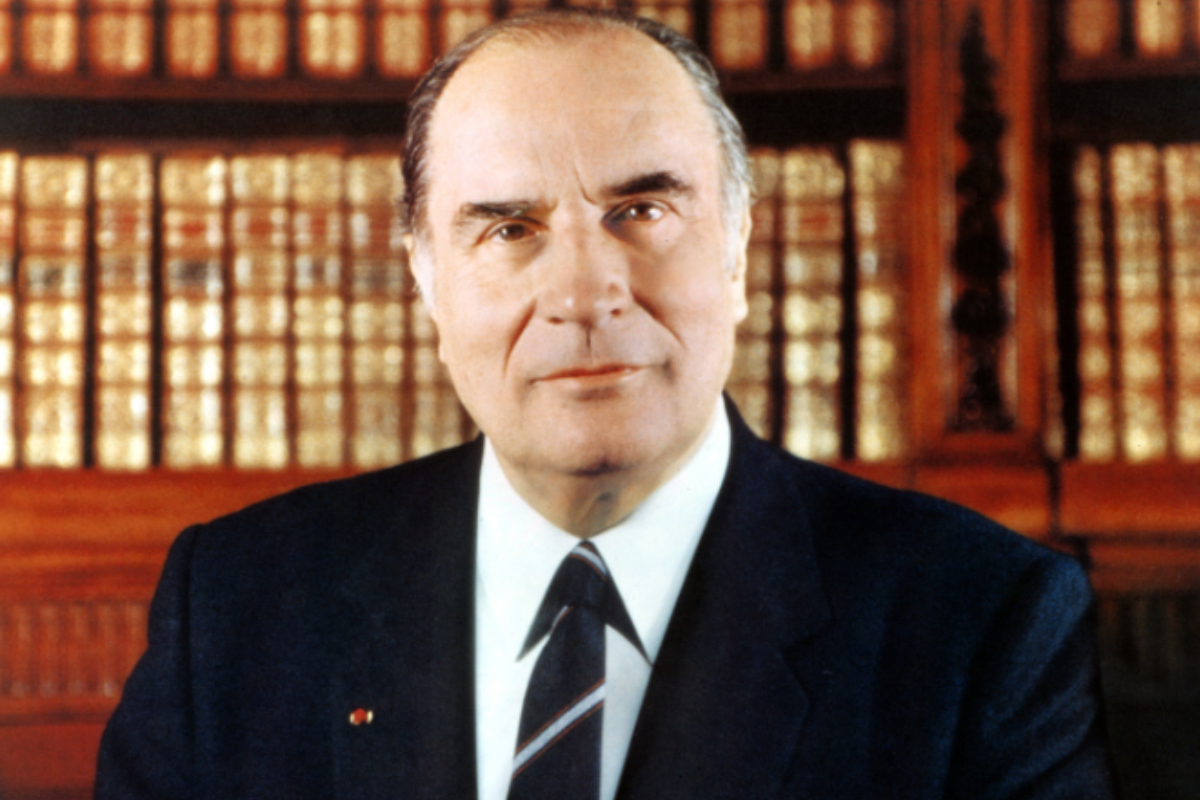
François Mitterrand and his ties to Burgundy reveal a quieter side of one of France’s most influential presidents. Beyond speeches, elections, and global diplomacy, Burgundy became a place where Mitterrand slowed down, reflected, and shaped how he wished to be remembered. For travelers, history lovers, and culturally curious readers, this connection offers a deeper way to understand both the man and the region. Burgundy is not just a backdrop in his story. It played an active role in how he related to power, memory, and legacy.
This article guides you through the places, meanings, and experiences linked to Mitterrand in Burgundy. You will learn why this region mattered to him, where visitors can sense his presence today, and how his story adds emotional depth to a Burgundy journey. As the narrative unfolds, each section builds on the last, leading you from personal history to places you can still visit.
François Mitterrand and his ties to Burgundy at a glance
Before going deeper, it helps to see how the story comes together. The following points outline what makes this relationship meaningful and relevant for today’s visitors.
- Why Burgundy appealed to Mitterrand as a place of reflection
- How Vézelay became central to his personal legacy
- What Burgundy’s political past reveals about his mindset
- How travelers can experience these connections on the ground
Getting to Know François Mitterrand
Before exploring his connection to Burgundy, it is helpful to understand who François Mitterrand was. Born in 1916, he rose from a regional upbringing to become one of France’s most influential political figures. Serving as president of France for 14 years, he left a lasting impact on both domestic policies and international relations.
Mitterrand’s life blended politics, literature, and a deep appreciation for history. Known for his reflective nature, he often sought quiet spaces to think carefully about decisions that shaped the nation. This combination of personal reflection and political influence sets the stage for understanding why he felt drawn to Burgundy and how the region shaped his personal and symbolic legacy.
Understanding François Mitterrand and His Ties to Burgundy
François Mitterrand did not choose Burgundy for convenience or prestige alone. His connection grew from a personal need for calm, history, and distance from Parisian life. Burgundy offered landscapes shaped by centuries rather than news cycles. That sense of time mattered deeply to him.
A President Drawn to Burgundy’s Quiet Strength
Mitterrand valued silence and solitude, especially later in life. Burgundy’s rural rhythm suited that need. Vineyards, stone villages, and forested hills created space for thought. Unlike official residences, these settings asked for nothing in return.
He also respected regions with strong identities. Burgundy never tried to impress loudly. Its strength came from continuity. That quiet confidence mirrored how Mitterrand saw leadership. Power, in his view, needed roots. Burgundy provided them without spectacle.
Vézelay and François Mitterrand’s Final Bond with Burgundy
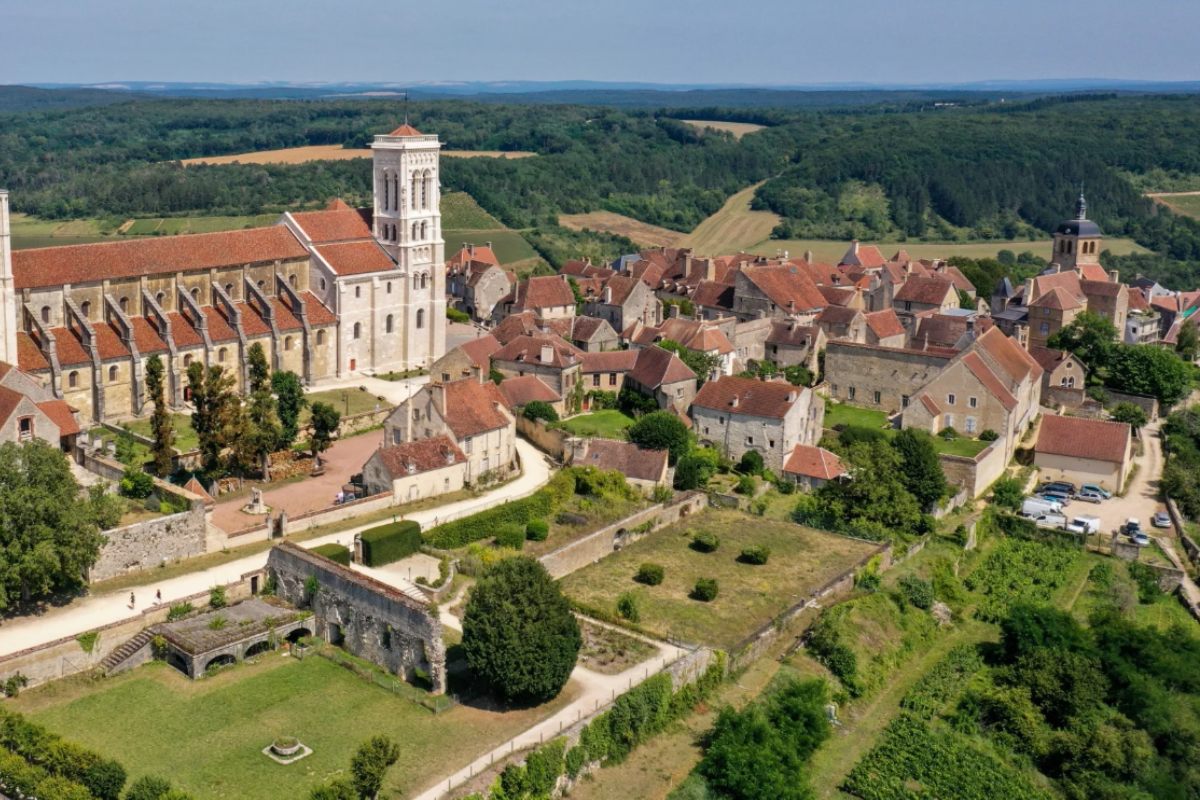
Among all Burgundy locations, Vézelay holds the deepest meaning in François Mitterrand and his ties to Burgundy. This hilltop village became his final resting place, chosen deliberately and without grandeur. The decision surprised some, yet it followed a clear inner logic.
Why Vézelay Mattered to Mitterrand
Vézelay stands apart from most French towns. Its position above the surrounding countryside creates a feeling of separation from daily life. For centuries, pilgrims came seeking purpose and clarity. Mitterrand understood that pull.
He visited Vézelay often and appreciated its layered past. Romanesque stone, spiritual memory, and sweeping views combined into a place shaped by belief rather than ambition. When visitors walk through the Vézelay hilltop village, they sense why it appealed to someone reflecting on legacy.
His grave remains simple, almost discreet. It blends into the cemetery rather than standing apart. That choice speaks volumes. Mitterrand wanted continuity with the place, not dominance over it. For travelers, the site offers a moment of quiet connection rather than ceremony.
François Mitterrand and His Ties to Burgundy’s Political Heritage
Burgundy’s history of power stretches far beyond modern France. Dukes once ruled territories that rivaled kingdoms. This background forms an essential layer in understanding how Mitterrand viewed authority and governance.
Burgundy’s Legacy of Power and Influence
Burgundy developed strong political structures long before France centralized power. Local leadership, negotiation, and cultural patronage shaped its identity. Mitterrand admired this balance between strength and culture.
His interest in history was not academic alone. He believed political authority gained meaning through continuity. Burgundy’s political legacy illustrated how regions could influence Europe while maintaining a distinct character. That lesson aligned with his broader vision of France within Europe.
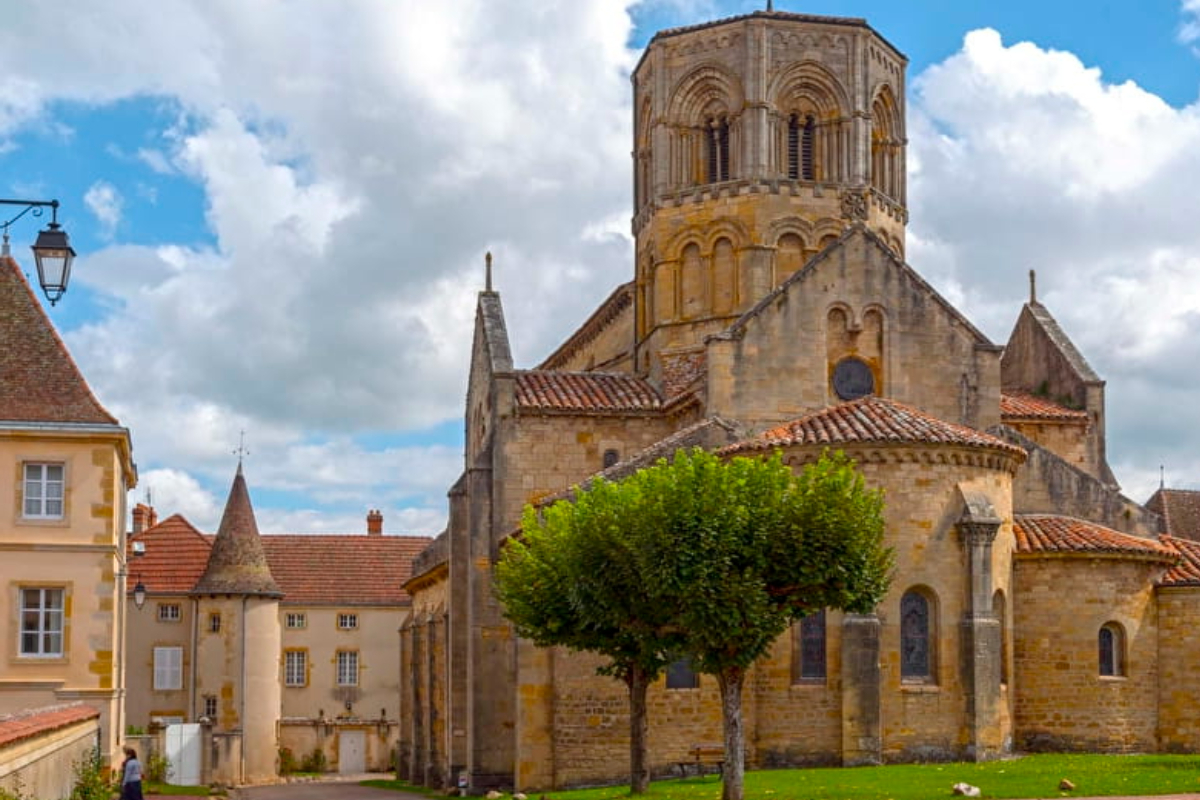
For visitors, this context enriches travel through Burgundy. Castles, abbeys, and old capitals become more than monuments. They reflect ideas about leadership that Mitterrand carried throughout his career.
Dijon, Governance, and François Mitterrand’s Regional Perspective
Dijon plays a quieter role in François Mitterrand and his ties to Burgundy, yet it remains essential. As Burgundy’s historic capital, Dijon represents administration, order, and cultural authority. These themes mattered deeply to Mitterrand.
Dijon as a Symbol of Regional Identity
Dijon balanced power with refinement for centuries. It governed without severing ties to art, food, and learning. That balance resonated with Mitterrand’s belief that politics should remain connected to culture.
A walk through the historic Dijon capital reveals layers of governance shaped by time. Palaces stand beside markets. Archives sit near cafés. For travelers, Dijon offers insight into how regional identity shaped national leadership thinking.
Mitterrand may not be associated with Dijon as personally as Vézelay, yet the city anchors his story within Burgundy’s institutional heart. It shows how the region functioned as more than a retreat. It remained a place of order and continuity.
Visiting Burgundy Through the Lens of François Mitterrand
Traveling through Burgundy with Mitterrand’s story in mind changes how places feel. Towns become chapters. Landscapes feel intentional. The journey slows naturally.
Places to Visit for Context and Reflection
Vézelay remains the emotional center. Visitors often arrive early or late in the day to avoid crowds. Silence enhances understanding. Nearby paths and viewpoints extend the experience beyond the village itself.
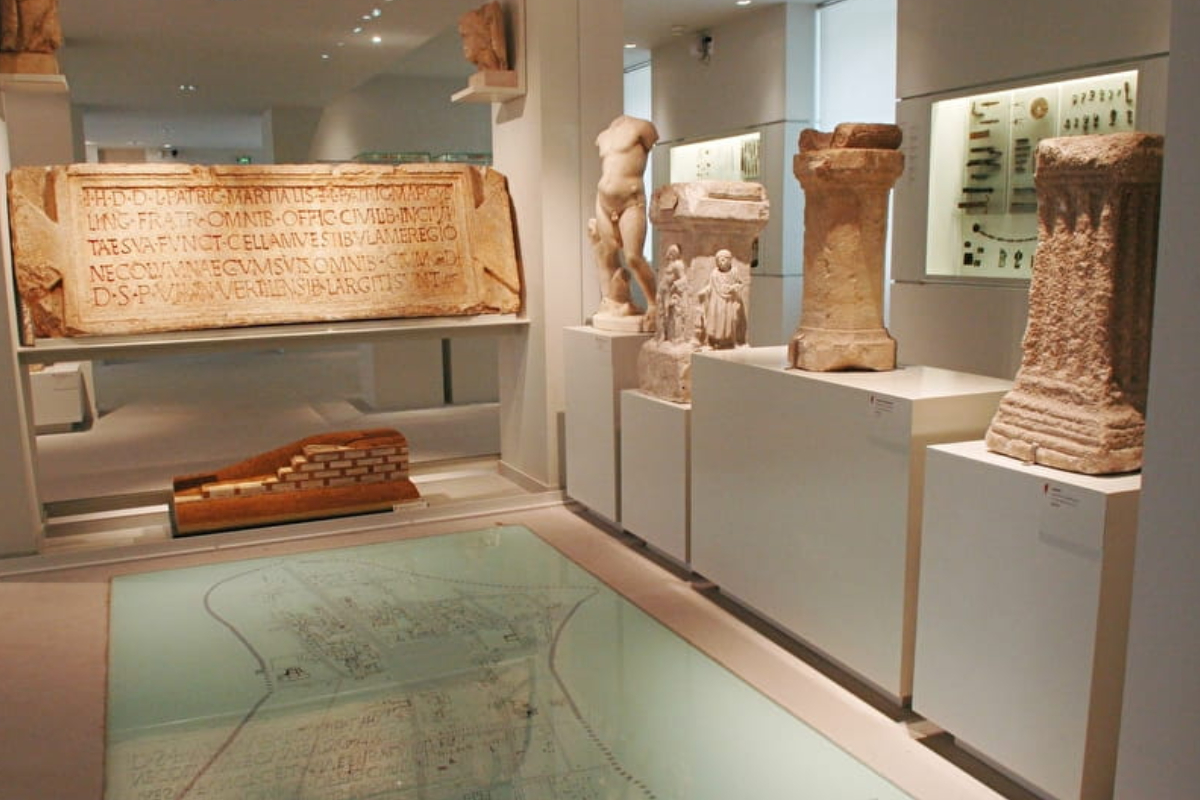
Dijon provides contrast. Museums, archives, and historic streets show Burgundy as a functioning political space. Smaller towns between these locations reveal why Mitterrand valued regional depth over spectacle.
When to Visit and What to Expect
Spring and early autumn suit reflective travel best. Vineyards soften the landscape, and light changes gently across hills. Winter brings solitude, especially in Vézelay, while summer adds life but also crowds.
Travelers should expect calm rather than entertainment. This journey rewards patience. Cafés, cemeteries, and village paths become places for thought. That slower rhythm reflects how Mitterrand experienced Burgundy himself.
The Enduring Influence of Mitterrand in Burgundy
François Mitterrand and his ties to Burgundy continue to shape how visitors understand the region. His presence lingers not through monuments, but through atmosphere. Burgundy remains a place where power steps aside for reflection.
Walking these landscapes offers more than historical knowledge. It invites visitors to consider how place shapes identity. For those interested in political history, cultural memory, or thoughtful travel, this connection adds quiet meaning to a Burgundy journey.
Readers seeking a broader historical context may wish to learn more about the François Mitterrand presidency alongside these regional connections. Together, national leadership and local attachment reveal a fuller portrait of the man and the land he chose.