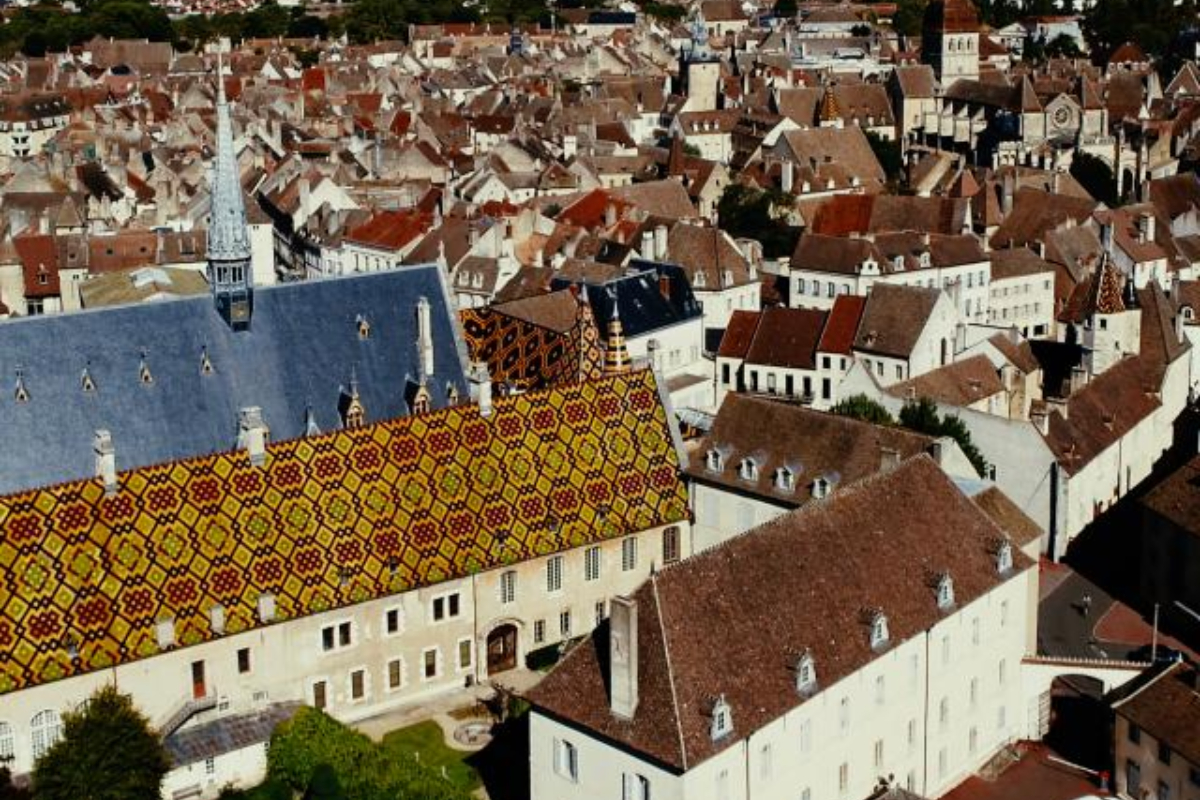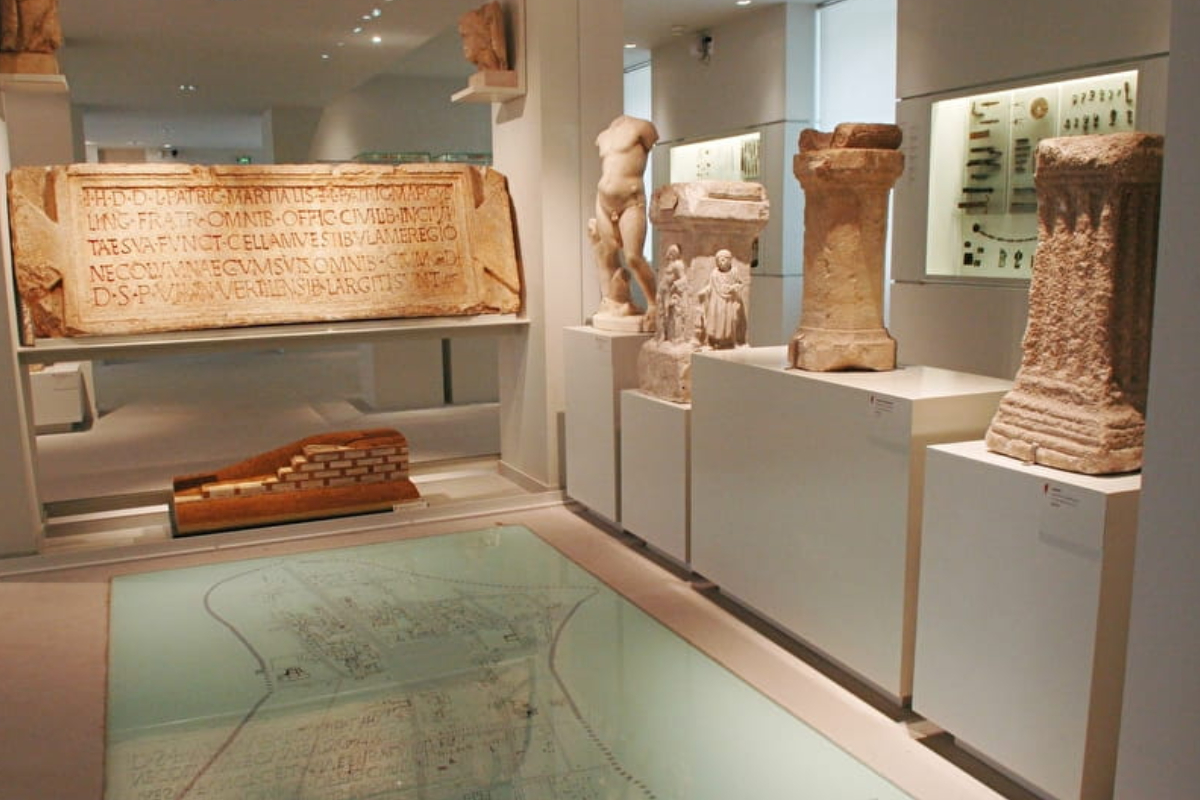
The Musée du Châtillonnais stands as a remarkable gateway to the rich history and cultural heritage of Northern Burgundy. Located in the charming town of Châtillon-sur-Seine, the museum invites visitors to explore centuries of human activity through carefully preserved artifacts. From prehistoric relics to medieval treasures, the museum reveals the story of a region shaped by its geography, communities, and traditions. Whether you are a history enthusiast, a curious traveler, or someone seeking cultural insights, a visit promises an enlightening experience. Understanding the museum’s significance will prepare you to fully appreciate its exhibitions and the region it represents.
To help visitors grasp what makes this museum unique, the next section offers a concise overview of its highlights and practical features.
Musée du Châtillonnais: Highlights at a Glance
Before exploring the museum in depth, it helps to understand the key aspects that make it worth a visit. The Musée du Châtillonnais combines historical significance with accessible visitor resources, providing an enriching experience for a wide audience.
Here’s a quick overview:
- Situated in Châtillon-sur-Seine, giving context to the town’s historical and cultural heritage.
- Houses extensive collections spanning prehistoric, Gallo-Roman, and medieval periods.
- Features temporary exhibitions that highlight specialized themes in Northern Burgundy’s history.
- Offers practical amenities such as guided tours, accessibility support, and nearby cafés.
These points provide a snapshot, but immersing yourself in the museum will reveal the full richness of Northern Burgundy’s past.
History and Background of Musée du Châtillonnais
The museum’s origins trace back to the 19th century, when local collectors and scholars began preserving Châtillon-sur-Seine’s cultural treasures. Over time, the Musée du Châtillonnais evolved into a comprehensive repository of Northern Burgundy’s artifacts, combining archaeology with historical objects.
The collections reflect the region’s long-standing human presence, from prehistoric settlements to Gallo-Roman civilization. Visitors often discover that understanding Châtillon-sur-Seine’s cultural heritage enhances their appreciation of the exhibits. Ancient tools, pottery, and burial items illustrate daily life and social structures from thousands of years ago. By preserving these artifacts, the museum ensures that Northern Burgundy’s history remains engaging and accessible to all.
Notable Collections and Exhibitions of Musée du Châtillonnais
Stepping into the Musée du Châtillonnais, visitors encounter a range of collections that illuminate Northern Burgundy’s rich past. The museum is arranged chronologically and thematically, guiding visitors through the region’s development over millennia.
Prehistoric Collections
The prehistoric galleries showcase stone tools, ornaments, and daily-use items from Northern Burgundy’s earliest inhabitants. These objects offer a glimpse into life thousands of years ago, revealing how early communities adapted to their surroundings. Learning about Châtillon-sur-Seine’s cultural heritage provides additional context, connecting these ancient artifacts to the broader story of the town.
Gallo-Roman Artifacts
Gallo-Roman displays include coins, pottery, and architectural fragments. These artifacts reveal the sophistication of Northern Burgundy’s ancient communities, highlighting trade networks, religious practices, and domestic life. Each object contributes to a picture of how settlements developed over time, reflecting both innovation and regional identity.
Medieval Collections
Medieval galleries feature manuscripts, religious art, and local crafts, showing cultural advancements in Burgundy’s villages. Many exhibits relate to the broader historic villages of Burgundy, illustrating how communities evolved over centuries. These collections demonstrate continuity in artistic and social traditions across the region.
Temporary Exhibitions
Temporary exhibitions rotate regularly, focusing on specialized themes like ancient burial practices or regional artistry. They offer fresh perspectives and complement the permanent collections, helping visitors understand Northern Burgundy’s history in greater depth. Each display is curated to provide both context and engagement, making the museum experience more immersive.
Through all these collections, visitors can appreciate the depth and continuity of the region’s heritage. Every piece tells a story, connecting the past to the present in a meaningful way.
Planning Your Visit to the Museum
A successful visit begins with preparation. The Musée du Châtillonnais is open throughout the year, though hours may vary seasonally, so checking in advance is wise. Ticket options include general admission, family passes, and group rates, accommodating different visitor needs.
Guided tours offer detailed explanations and stories behind the exhibits, making them ideal for first-time visitors. The museum also provides accessibility options, including facilities for those with mobility challenges and clear signage for navigating the galleries.
Most visitors spend two to three hours exploring the museum, while history enthusiasts may dedicate a full day. Pairing your museum trip with a walk through Châtillon-sur-Seine lets you connect the artifacts to the town’s historical landmarks, enriching the overall experience.
Visiting Tips for a Memorable Experience
While planning addresses logistics, these visiting tips focus on maximizing engagement and enjoyment. Arriving early helps avoid crowds, allowing more time to study each exhibit carefully. Taking notes, sketching, or photographing permitted items encourages interaction and personal reflection.
Temporary exhibitions often highlight unique aspects of Northern Burgundy’s past, so paying attention to these can add extra depth. Combining the museum visit with nearby cultural walks, cafés, and historical sites enhances your understanding of the region. By observing and reflecting on how artifacts relate to the broader landscape, visitors gain a richer appreciation of Northern Burgundy’s history.
Exploring Northern Burgundy Through the Museum
The Musée du Châtillonnais shows how human life and the natural landscape are closely intertwined. Exhibits highlight the role of rivers, forests, and valleys in shaping settlements, agriculture, and trade. The fertile valleys sustained communities, while rivers supported communication and commerce across Northern Burgundy.
For visitors curious about the environment, the rivers shaping Northern Burgundy played a key role in cultural development. Seeing the connection between artifacts and the surrounding landscape helps visitors understand how geography influenced history, making the museum experience more complete.
Understanding the Museum’s Cultural Significance
Beyond its exhibits, the Musée du Châtillonnais serves as a hub for education, research, and community identity. Scholars and students visit to study archaeological finds and historical documents, while residents see their heritage preserved and celebrated.
The museum illustrates social, economic, and cultural patterns over centuries, showing how Northern Burgundy’s communities evolved. By connecting past settlements, medieval villages, and modern towns, the museum creates a continuous story that bridges history with the present.
Musée du Châtillonnais: Embracing the Treasures of Northern Burgundy
A visit to the Musée du Châtillonnais leaves a lasting impression of Northern Burgundy’s cultural richness. The curated collections, informative exhibits, and visitor-friendly resources make it essential for anyone exploring the region. Whether you are fascinated by archaeology, art, or local history, the museum offers insights that appeal to a wide audience.
Those interested in the region’s early history can explore more about the prehistoric sites of Burgundy to gain deeper insight into Northern Burgundy’s ancient past. Combining the museum with other nearby attractions provides a fuller appreciation of the area’s heritage. Walking through the galleries and engaging with the artifacts leaves visitors with a stronger sense of Northern Burgundy’s identity and enduring legacy. The Musée du Châtillonnais continues to be a cultural treasure and educational resource for both locals and travelers, inviting all to connect with the past in meaningful and memorable ways.