National and regional parks around Burgundy offer a refreshing escape into nature. Rolling hills, lush forests, sparkling lakes, and peaceful rivers provide a perfect setting for outdoor adventures. Whether you enjoy hiking, cycling, wildlife observation, or simply soaking in scenic landscapes, these parks give travelers a unique way to experience Burgundy.
Although Burgundy does not have an official national park, its regional parks and smaller protected areas serve similar purposes, preserving biodiversity and cultural landscapes while offering accessible outdoor experiences. Understanding what each park offers and how to explore them ensures a fulfilling visit. Let’s start with an overview of what makes these parks special.
Highlights of National and Regional Parks Around Burgundy
Burgundy’s parks combine natural beauty, cultural heritage, and recreational opportunities. They offer a chance to step away from city life, breathe fresh air, and enjoy tranquil surroundings. Here are some of the main highlights that visitors can expect:
- Extensive hiking trails winding through forests, hills, and along rivers
- Scenic viewpoints overlooking valleys, lakes, and villages
- Opportunities to observe wildlife, from birds to deer and foxes
- Cycling routes that pass through forests, meadows, and picturesque towns
- Seasonal activities such as canoeing, fishing, and guided nature tours
These features make the parks ideal for both families and solo travelers. Whether you seek adventure or relaxation, Burgundy’s protected landscapes provide a versatile backdrop for memorable experiences.
Understanding National and Regional Parks in Burgundy
In France, national parks are strictly protected areas aimed at preserving biodiversity and landscapes, while regional parks balance conservation with cultural heritage and visitor access. Burgundy’s protected areas are primarily regional parks, which still provide extensive natural habitats and recreational opportunities.
What Are National Parks in France?
National parks in France are large, protected areas with strict environmental regulations. They serve as examples of the country’s commitment to conservation, often including mountains, forests, wetlands, and river valleys. While Burgundy itself does not host a formal national park, understanding its structure helps contextualize the region’s protected areas. Visitors interested in France’s broader conservation efforts can find more details about France’s national parks for additional reference.
Regional Parks Around Burgundy
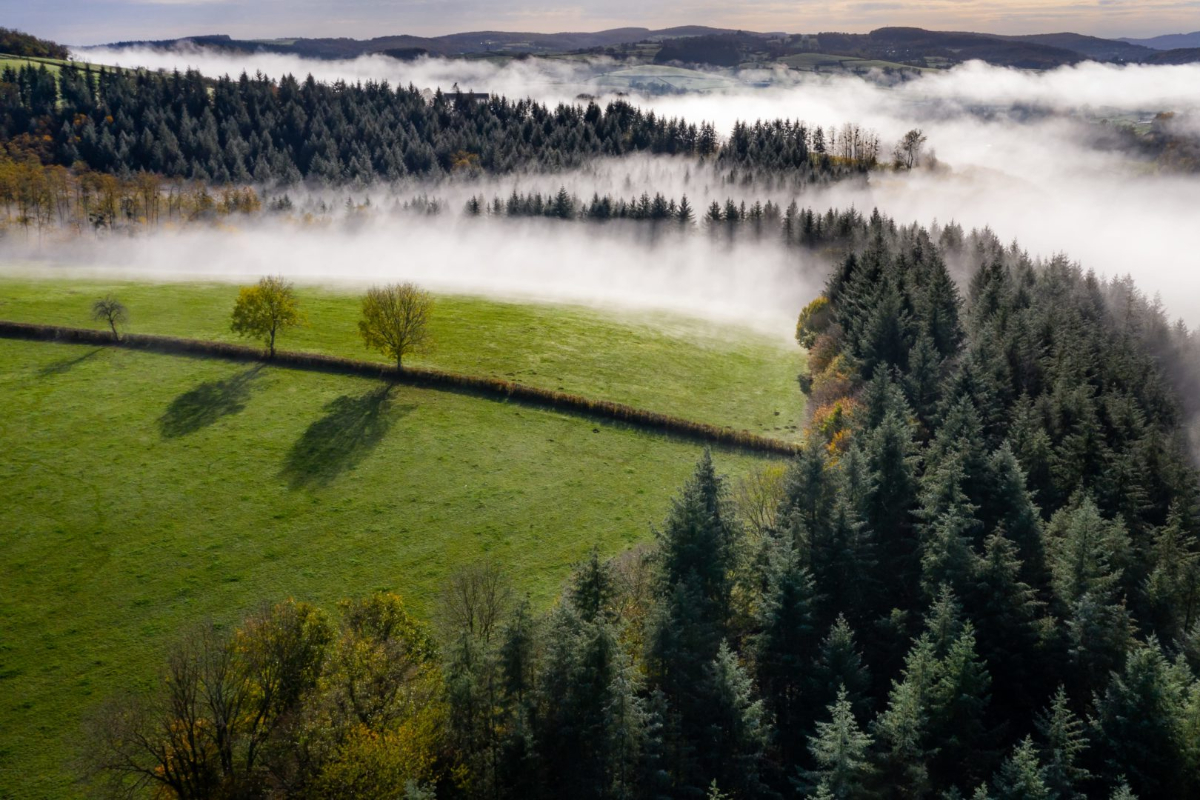
The most notable regional park in Burgundy is the Parc Naturel Régional du Morvan, which spans forests, hills, lakes, and small villages. It protects biodiversity while allowing visitors to enjoy a variety of outdoor activities. Beyond Morvan, Burgundy hosts smaller protected areas and natural reserves that safeguard rivers, woodlands, and meadows. These parks preserve both natural and cultural landscapes, offering insights into the region’s ecological and historical heritage.
Other Notable Regional Parks and Nature Reserves
Beyond the Morvan, Burgundy contains several smaller parks and nature reserves worth exploring. These areas highlight the region’s natural diversity and provide quieter, less-crowded experiences.
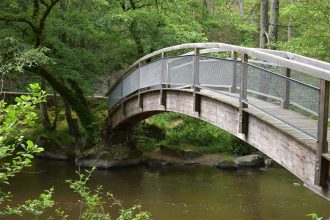
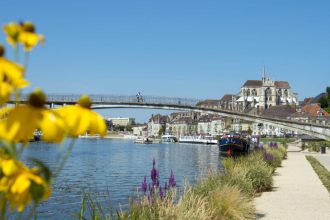
Visitors can enjoy Burgundy’s river landscapes, following gentle rivers through valleys lined with forests and meadows. Many of these parks feature unique characteristics, such as ancient mills, medieval bridges, or historic villages tucked into the scenery. Hidden paths allow for peaceful walks, wildlife observation, and photography opportunities.
Practical details make visiting these areas easier: most parks have visitor centers with maps, guides, and information about trails. Nearby villages often offer accommodations, local cuisine, and artisan shops. Access is generally straightforward, though some protected areas may require permits for certain activities. Planning ahead ensures a safe and enjoyable visit.
Activities in Burgundy’s Parks
Burgundy’s regional parks provide a wide range of activities for all types of visitors. From active pursuits to more relaxing experiences, the parks cater to diverse interests.
Hiking and Walking
Well-marked trails allow visitors to explore forests, lakes, and hills at their own pace. Short loops are suitable for families, while longer routes challenge experienced hikers. Along the way, travelers can admire panoramic views, spot wildlife, and enjoy the quiet beauty of natural landscapes. The region’s Burgundy hiking trails make it easy to plan routes for all skill levels.
Wildlife Observation
The parks are home to deer, foxes, wild boars, and numerous bird species. Observing wildlife requires patience and care, and binoculars enhance the experience. Early mornings and late afternoons often provide the best opportunities for spotting animals in their natural habitats.
Canoeing and Water Activities
Lakes and rivers within the parks offer canoeing, fishing, and swimming. Calm waters are perfect for beginners, while more adventurous visitors can explore longer river stretches. Seasonal variations affect water levels and accessibility, so checking conditions beforehand is recommended.
Cycling Routes
Scenic Burgundy cycling routes pass through forests, river valleys, and meadows. They provide an immersive way to experience the region, connecting parks with nearby villages and points of interest. Routes range from short loops to longer day trips, offering options for both casual and experienced cyclists.
Planning Your Visit to National and Regional Parks Around Burgundy
A well-planned visit enhances enjoyment and safety. Consider the following when preparing for your trip:
Best Times to Visit
Spring brings blooming flora and mild temperatures, ideal for hiking and wildlife watching. Summer offers long days for cycling, canoeing, and exploring meadows. Autumn showcases colorful foliage, making walks and photography particularly scenic. Winter provides quiet, crisp trails for reflective walks and solitude.
What to Pack
Essential items include sturdy hiking shoes, weather-appropriate clothing, binoculars, snacks, and water. Cyclists should bring helmets and repair kits. A camera or smartphone is useful for capturing scenic vistas and wildlife moments.
Safety and Accessibility
Most trails are well-marked, but visitors should follow park signs and regulations. Families with children or travelers with mobility considerations should check for accessible paths. Staying on designated trails helps protect wildlife and ensures safety.
Experience the Beauty of National and Regional Parks Around Burgundy
Visiting the national and regional parks around Burgundy allows travelers to experience the region’s natural beauty, cultural heritage, and outdoor recreation in one immersive journey. From the forests and lakes of the Morvan to tranquil rivers and cycling paths, each park offers unique landscapes and memorable encounters.
For those interested in broader conservation efforts across France, France’s national parks provide additional context on protected areas and biodiversity. These parks demonstrate the importance of preserving natural environments while allowing public enjoyment.
Burgundy’s parks offer both adventure and relaxation, encouraging visitors to connect with nature, discover scenic landscapes, and create lasting memories in a region often celebrated for its vineyards and historic towns.