The rivers of Burgundy are more than scenic waterways; they have actively sculpted the region’s landscape over centuries, forming valleys, meadows, and forests that define its natural beauty. Flowing through vineyards, historic towns, and open fields, these rivers carve pathways that connect communities and enrich the soil. In doing so, they also guide human settlements across the region. As travelers follow these waterways, they gain a unique perspective on Burgundy and begin to see how rivers have shaped both the terrain and the culture. This understanding encourages a deeper appreciation of the land and its history, while also pointing to practical ways to explore the region.
As we journey through Burgundy’s rivers, you will discover their geographical, cultural, and recreational significance.
Rivers of Burgundy: Landscapes Shaped by Waterways
To fully appreciate Burgundy, it helps to understand the role its rivers play in creating fertile valleys, influencing settlements, and supporting local life. These waterways are central to the region’s natural charm and cultural heritage.
The main features of the rivers of Burgundy include:
- The Saône, Yonne, and Cousin rivers dominate the landscape, shaping valleys and towns.
- River valleys provide fertile soil for agriculture and vineyards.
- Waterways guided trade routes, settlements, and cultural development over centuries.
- Walking, boating, and cycling along the rivers allow travelers to experience the landscape firsthand.
This guide will explore both the historical and modern significance of Burgundy’s rivers. We will show you how they continue to influence life and the scenery today.
The Rivers of Burgundy: Geography and Landscape Influence
Burgundy’s network of rivers plays a central role in shaping the region’s landscape. From broad fertile valleys to narrow forested streams, each river has carved its own distinct terrain over centuries. These waterways influence soil quality, guide settlement locations, and create natural corridors that support both human life and wildlife. The rivers’ paths define the visual and ecological character of Burgundy, making them essential to understanding the region.
The Saône and Chalon-sur-Saône’s River Trade
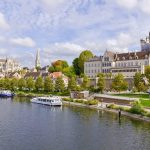
The Saône River is one of Burgundy’s largest waterways, winding through lush valleys and historic towns. Its meandering course created the wide plains where Chalon-sur-Saône developed, illustrating the river’s direct role in shaping the landscape. Merchants historically used the river to transport wine, grain, and other goods. At the same time, the surrounding fertile lands supported agriculture that naturally complemented this trade. Today, visitors can stroll along the quays and imagine the bustling river trade in Chalon that once defined both the town’s economy and its riverside terrain.
Yonne River and Settlement Patterns
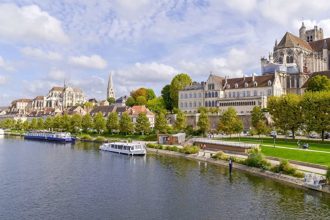
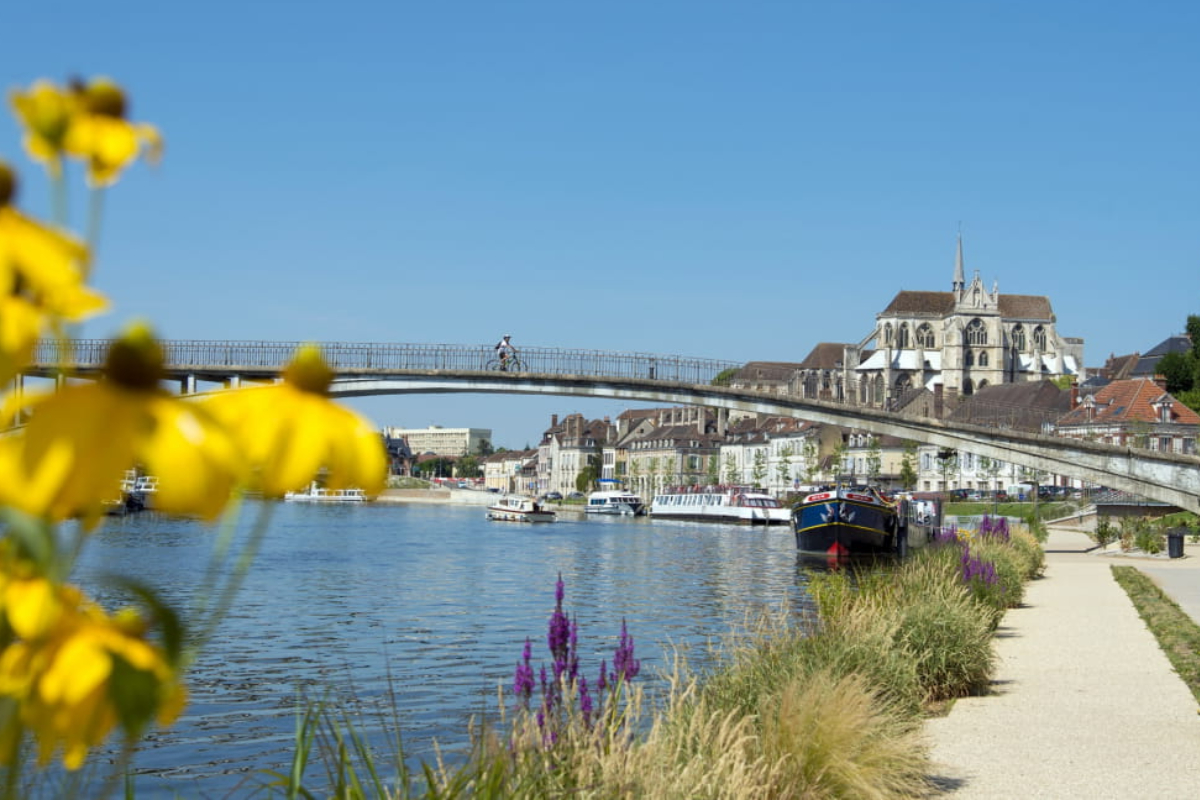
The Yonne River stretches through northern Burgundy, shaping not only settlements but also the surrounding landscape. Its banks created fertile valleys that guided the location of towns, roads, and vineyards. The Yonne River settlements still display how the river molded the land, with medieval streets, bridges, and homes following the natural curves of the waterway. Observing these towns demonstrates how human development adapted to the natural terrain, showing the river’s lasting impact on both environment and community.
The Lesser-Known Cousin River Valley
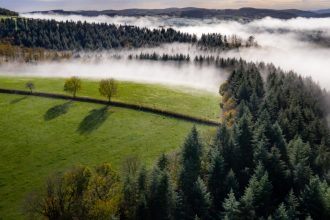
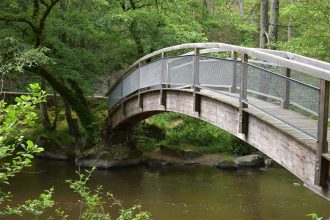
While smaller than the Saône or Yonne, the Cousin River forms a quiet valley that highlights Burgundy’s rural charm. Rolling hills, forests, and meadows line its course, and traditional villages maintain centuries-old farming practices. Travelers seeking a slower pace can enjoy the Cousin River Valley, where the landscape remains largely untouched. Even minor waterways like the Cousin shape local topography, guide agriculture, and sustain biodiversity, proving that every river contributes to the region’s overall landscape.
Activities and Experiences Along the Rivers of Burgundy
The rivers of Burgundy are not just scenic; they provide opportunities to engage with the landscape in meaningful ways. Whether walking along banks, boating through valleys, or visiting riverside towns, travelers can experience the impact of rivers on the terrain and culture.
Walking and Hiking Trails
Many riverbanks in Burgundy feature walking trails suitable for short strolls or longer hikes. Trails along the Saône, Yonne, and smaller rivers follow the natural curves of the valleys and hills, offering views of vineyards, historic bridges, and villages. Guided walks often highlight how rivers shaped the surrounding farmland and towns, providing context for both the geography and history of the region.
Boating, Canoeing, and Scenic Cruises
Traveling by water offers a different perspective on the landscape. Canoeing on calm sections of the Saône or Yonne brings you close to wildlife, vineyards, and riverside architecture. Scenic cruises provide insight into how rivers influenced trade and settlement while allowing travelers to enjoy the scenery from the water. Planning trips during spring or early summer ensures ideal water levels and pleasant weather for boating activities.
River-Adjacent Towns and Villages
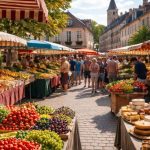
Visiting towns along Burgundy’s rivers reveals the interplay of water and land over centuries. From Chalon-sur-Saône’s historic quays to smaller villages in the Cousin valley, the rivers of Burgundy have guided the development of streets, bridges, and homes. Riverside areas often host local markets, festivals, and cultural events that reflect the rivers’ central role in shaping life along their banks. These towns provide a direct experience of how waterways influence both the built and natural environment.
Rivers, Agriculture, and the Vineyards in Burgundy
Burgundy’s rivers create fertile valleys that have supported farming and viticulture for generations. Their influence on soil quality, slope, and microclimate makes them essential to the region’s landscape and economy.
Fertile Valleys and Crop Production
River valleys provide rich soil and water resources that enable diverse agriculture. Crops, pastures, and vineyards follow the natural contours shaped by the rivers, reflecting centuries of adaptation to the land. Walking through these valleys, travelers can see how traditional practices coexist with modern farming, preserving the character of Burgundy’s landscape.
Influence on Wine Regions
Proximity to rivers affects vineyard microclimates, influencing temperature, moisture, and sunlight. Morning mists and cool breezes from rivers like the Saône and Yonne impact grape ripening and flavor. Visiting vineyards along the rivers of Burgundy reveals how these waterways help shape both the scenery and the production of world-class wines.
Appreciating the Rivers of Burgundy
The rivers of Burgundy continue to define the region’s landscape, guiding settlement, enriching soils, and supporting both wildlife and human activity. They form corridors where nature and culture intersect, offering travelers scenic routes and meaningful experiences. From the bustling quays of Chalon-sur-Saône to the quiet meadows of the Cousin Valley, each river tells a story of how water shapes life and land.
For readers seeking a broader context, understanding the major rivers of France helps situate Burgundy’s waterways within the country’s extensive network. You will know how rivers consistently shape landscapes at local and national levels. Taking the time to follow these rivers allows visitors to fully appreciate their central role in creating Burgundy’s remarkable terrain.