The sacred healing sanctuaries of ancient Burgundy offer a unique glimpse into a world where faith, health, and community intertwined. These sites, built centuries ago, were more than places of worship; they were centers of healing, reflection, and pilgrimage. Travelers today can witness how architecture, ritual, and nature combined to create spaces that nurtured both body and spirit. Understanding these sanctuaries gives visitors a deeper appreciation of Burgundy’s cultural and spiritual heritage. As you explore, you will discover not only history but also a sense of serenity that has endured through the centuries.
The following summary provides a quick look at the most important aspects of these sanctuaries, guiding your journey before diving into detailed explorations.
An Introduction to the Sacred Healing Sanctuaries of Ancient Burgundy
Burgundy is dotted with remarkable sites where healing and spirituality merged. From abbeys to basilicas and hilltop sanctuaries, these locations played a vital role in medieval life. Pilgrims and locals alike visited these places seeking remedies for illness, spiritual guidance, or a moment of reflection.
Each sanctuary reflects a combination of architectural innovation, religious devotion, and interaction with the natural landscape. Before visiting, it helps to know what makes each site special and how they connect to Burgundy’s broader spiritual history.
Here are some of the key elements you will encounter:
- Ancient monasteries that shaped spiritual and medical practices
- Basilicas that attracted pilgrims across Europe
- Hilltop sanctuaries offering scenic views and meditative spaces
- Historical rituals still echoed in the stories of local communities
This overview prepares you to appreciate the depth and variety of the sacred healing sanctuaries of ancient Burgundy as we explore them in more detail.
Exploring the Sacred Healing Sanctuaries of Ancient Burgundy in Detail
The region’s sanctuaries are more than historical sites; they are living testaments to centuries of spiritual and cultural activity. Each location has its own story, architecture, and practices that drew people for healing and reflection. In this section, we focus on the most notable sanctuaries and provide practical insights for visitors.
Cluny Abbey – The Heart of Spiritual Influence
Cluny Abbey stands as one of the most significant religious sites in Burgundy. Founded in the 10th century, it quickly became a center of spiritual life across Europe. Monks at Cluny not only engaged in prayer and study but also influenced medical and healing practices in nearby communities. Visitors can admire the abbey’s grand architecture, which once inspired monasteries throughout Europe.
Those studying the Cluny Abbey influence will notice how these monastic networks shaped spiritual rituals and healthcare approaches in the medieval period. Walking through its ruins today offers a tangible connection to the past and a sense of the devotion that sustained these sacred spaces.
The Basilica of Sainte Madeleine – Pilgrimage and Spiritual Healing
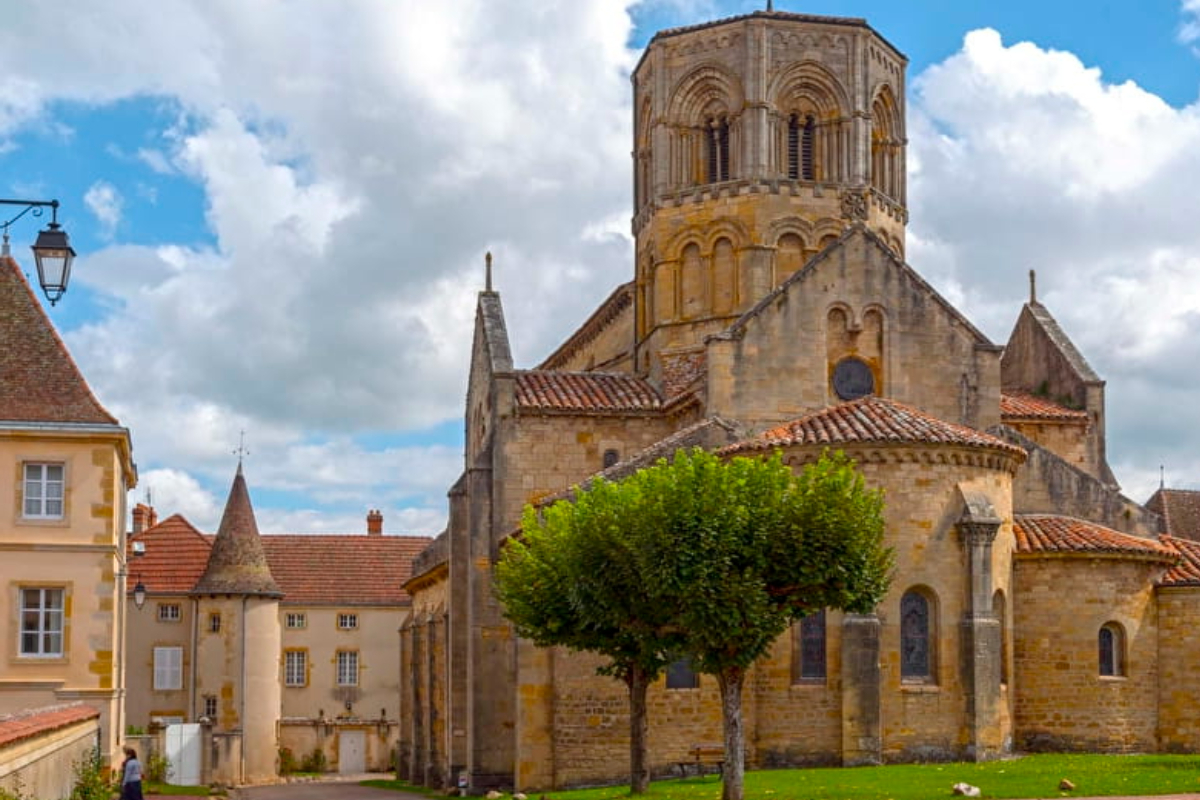
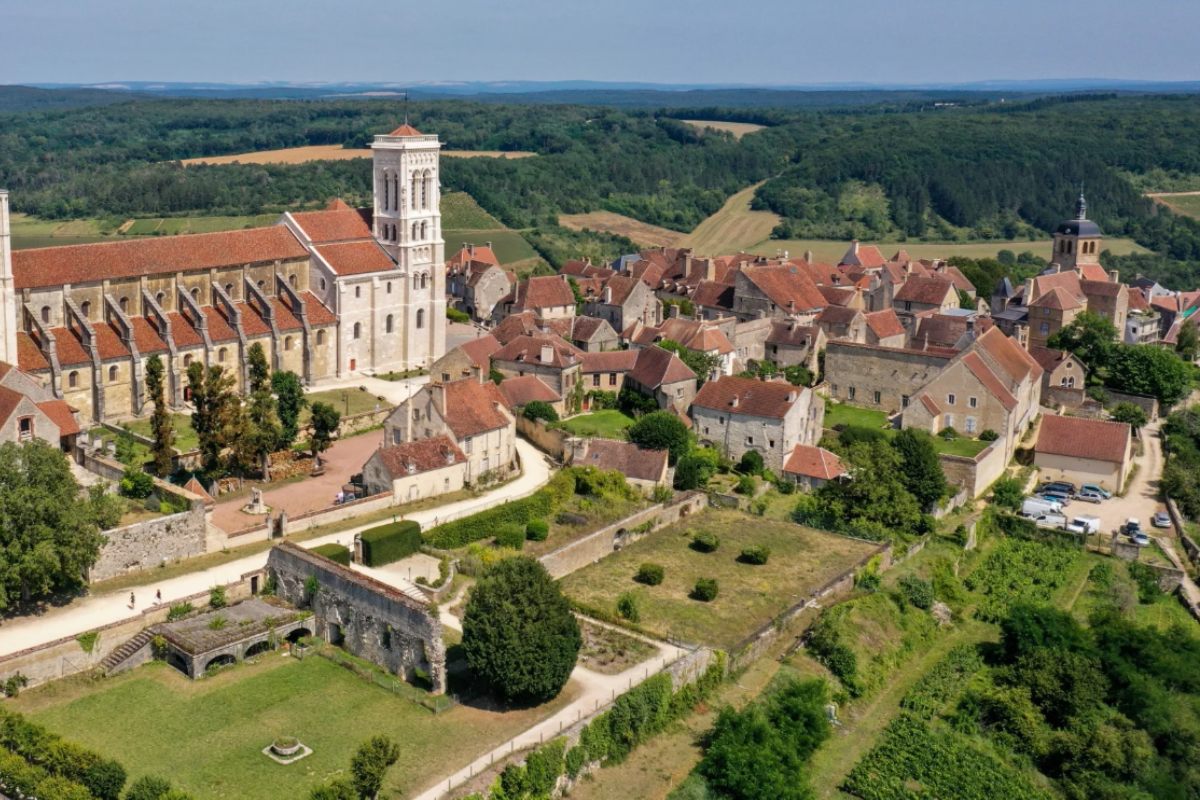
The Basilica of Sainte Madeleine in Vézelay has long drawn pilgrims seeking both spiritual guidance and healing. Its Romanesque design, with detailed sculptures and grand arches, reflects centuries of artistic devotion. Pilgrims historically came to pray, participate in rituals, or bathe in waters believed to have healing properties. Understanding the Sainte Madeleine spiritual history illuminates why these sites were central to medieval pilgrimages. Modern visitors can explore the basilica, attend guided tours, and learn about the traditions that made it a sanctuary for travelers across Europe. The basilica’s elevated location also offers sweeping views of the surrounding countryside, adding a reflective atmosphere to the visit.
Vézelay – Hilltop Sanctuary and Pilgrim Destination
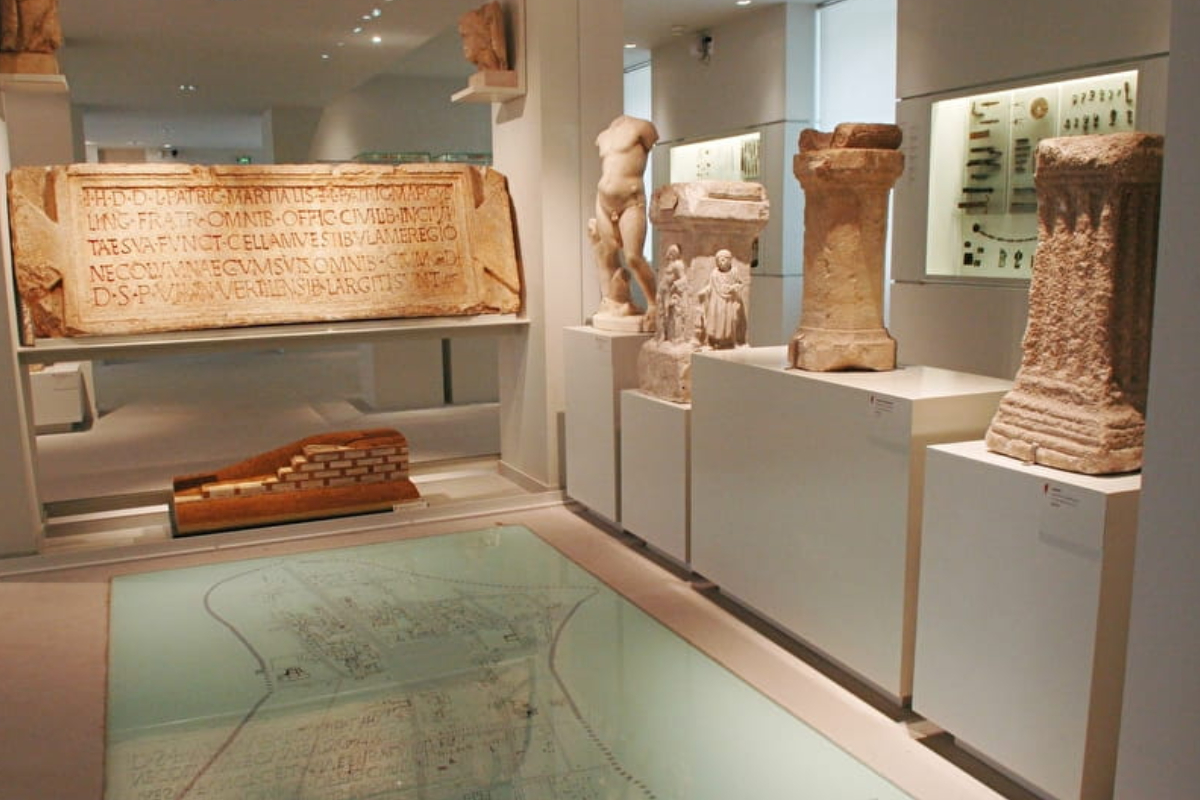
Vézelay sits atop a hill, its sanctuary visible for miles around. This location made it a prominent stop for pilgrims traveling across France. The church and surrounding structures were designed to integrate with the natural landscape, offering both spiritual inspiration and physical comfort. The Vézelay hill pilgrimage remains an enduring symbol of how geography shaped religious practice. Travelers can walk the old paths that pilgrims once took, enjoy panoramic views, and feel a connection to centuries of devotion. Small local museums and guided tours provide context about rituals, architectural design, and the social importance of Vézelay during the medieval era.
Visiting Tips for Travelers
When visiting the sacred healing sanctuaries of ancient Burgundy, timing and preparation enhance the experience. The following tips will help you make the most of your journey.
Best Time to Visit
Many sites are open year-round, but early mornings or late afternoons are ideal for photography and a peaceful visit. Choosing the right time helps you avoid crowds and fully appreciate the serene atmosphere.
Guided Tours and Insights
Guided tours can offer a richer historical context and stories behind each sanctuary. Local guides often share little-known details about architecture, rituals, and community practices that enhance your visit.
Respectful Behavior
Respect is essential in active places of worship. Observing quiet behavior, dressing appropriately, and following site rules ensures a positive experience for yourself and others.
Local Culture and Amenities
Some sanctuaries are near small markets, cafes, or shops. Taking time to explore these areas allows you to experience Burgundy’s regional culture alongside your spiritual and historical journey.
Understanding the Practices of Sacred Healing
Healing sanctuaries were places of both faith and practical care. Rituals often included prayer, herbal remedies, and water treatments. Monks and clergy combined spiritual guidance with knowledge of medicinal herbs, creating early forms of holistic care. Pilgrimages themselves were believed to strengthen both body and spirit.
Many of these practices influenced local communities for centuries, shaping medical knowledge and social support systems. Observing these traditions today helps visitors appreciate how intertwined religion, medicine, and daily life were in ancient Burgundy. These insights bring a richer context to the architecture and layout of each sanctuary, revealing intentional designs for comfort, reflection, and healing.
Experiencing Sacred Healing Sanctuaries of Ancient Burgundy Today
Visiting the sacred healing sanctuaries of ancient Burgundy offers a journey through history, culture, and spirituality. Travelers can experience the architecture, explore historical rituals, and enjoy the serene landscapes that have inspired devotion for centuries. Whether walking the paths of pilgrims, admiring monastic ruins, or pausing in a basilica, the connection to Burgundy’s past is tangible and moving.
For those interested in learning more about the broader context of these sites, studying European pilgrimage routes offers deeper insight into how sacred spaces shaped communities, spiritual practices, and traditions of healing across Europe.