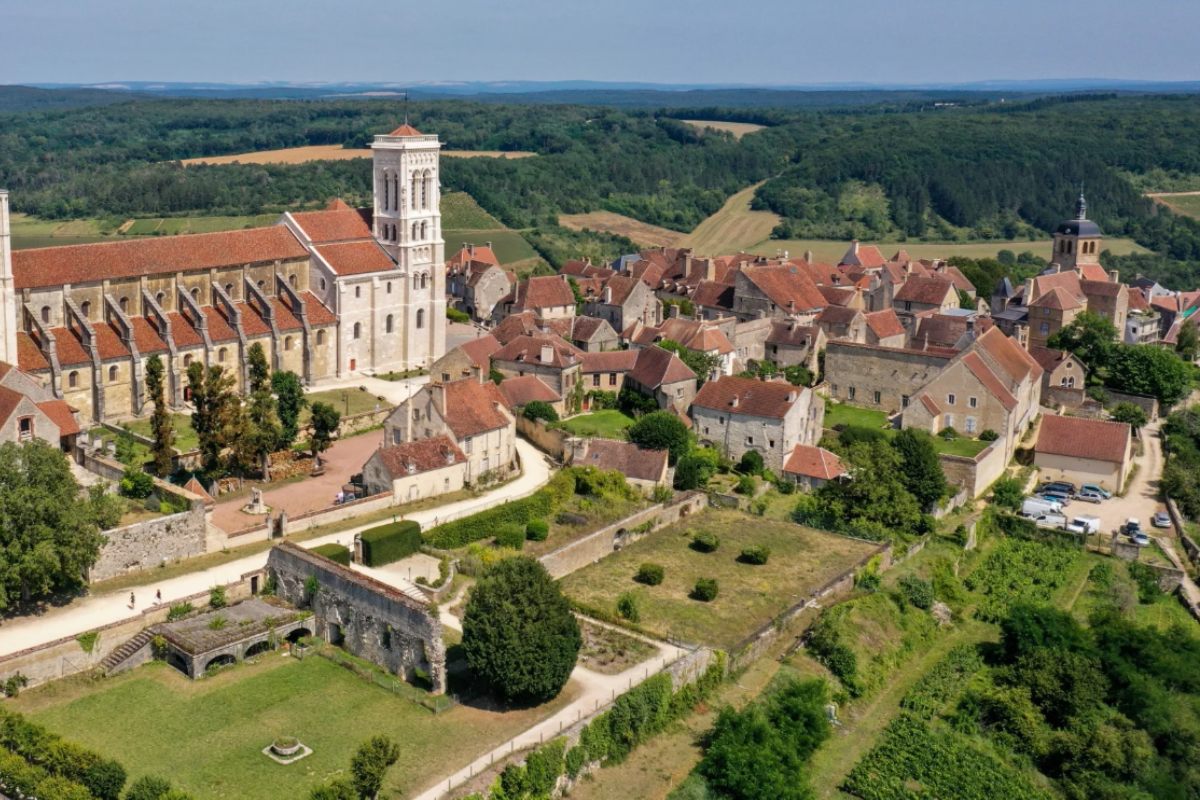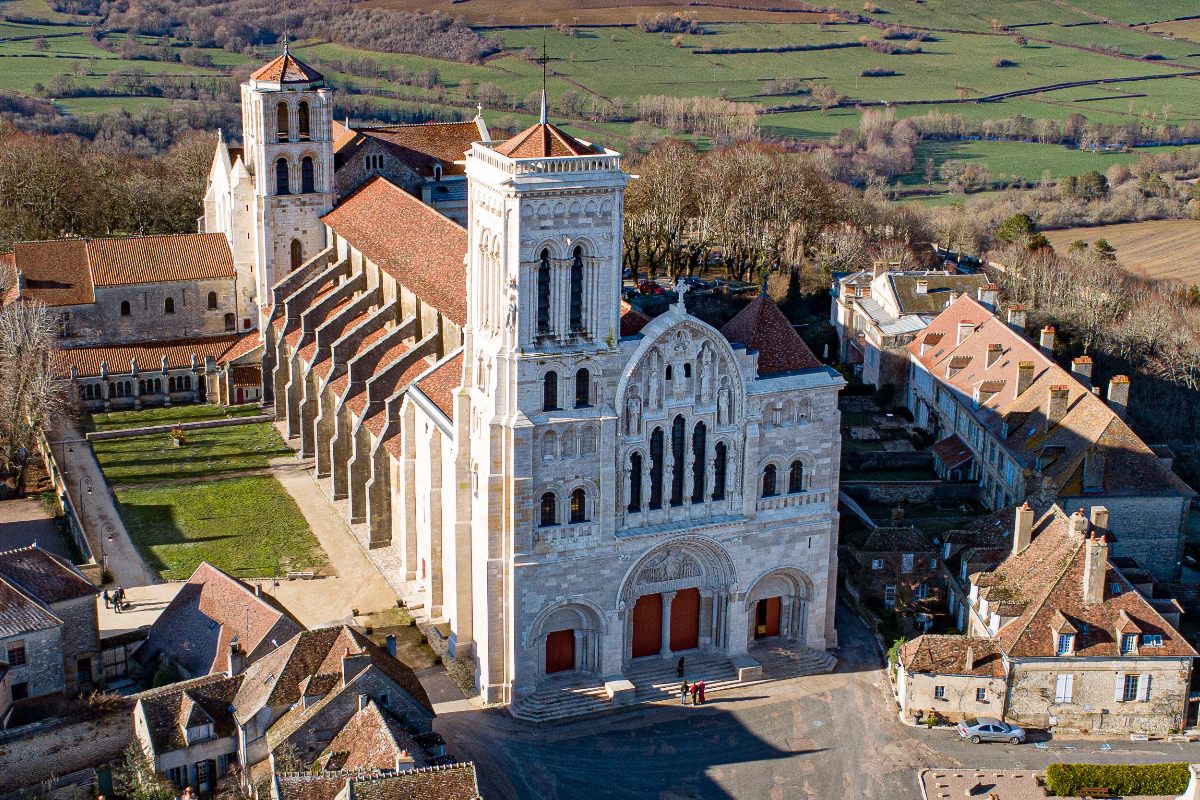
The Basilica of Sainte Madeleine stands as a remarkable symbol of faith, history, and architectural grandeur in Vézelay, a hilltop town in Burgundy. This Romanesque masterpiece has welcomed pilgrims for centuries and continues to captivate visitors with its spiritual depth and intricate design. Its significance reaches beyond religious devotion, offering insights into medieval life, art, and the enduring cultural heritage of the region. From the moment you approach the basilica, the story of Vézelay unfolds through its stone walls, sculpted portals, and serene interior spaces.
For travelers and history enthusiasts alike, exploring the Basilica of Sainte Madeleine is more than a sightseeing experience. It’s an opportunity to witness a living testament to devotion and creativity, understand the spiritual traditions of Burgundy, and connect with a centuries-old legacy. Before diving deeper, it helps to understand the key highlights and context of this extraordinary site.
Basilica of Sainte Madeleine: Highlights at a Glance
The Basilica of Sainte Madeleine offers a rich tapestry of history, art, and spirituality that visitors can explore. Before exploring the details, here is a summary of what makes this landmark exceptional:
- Built in the 11th century, the basilica became a major pilgrimage site along the Way of St. James.
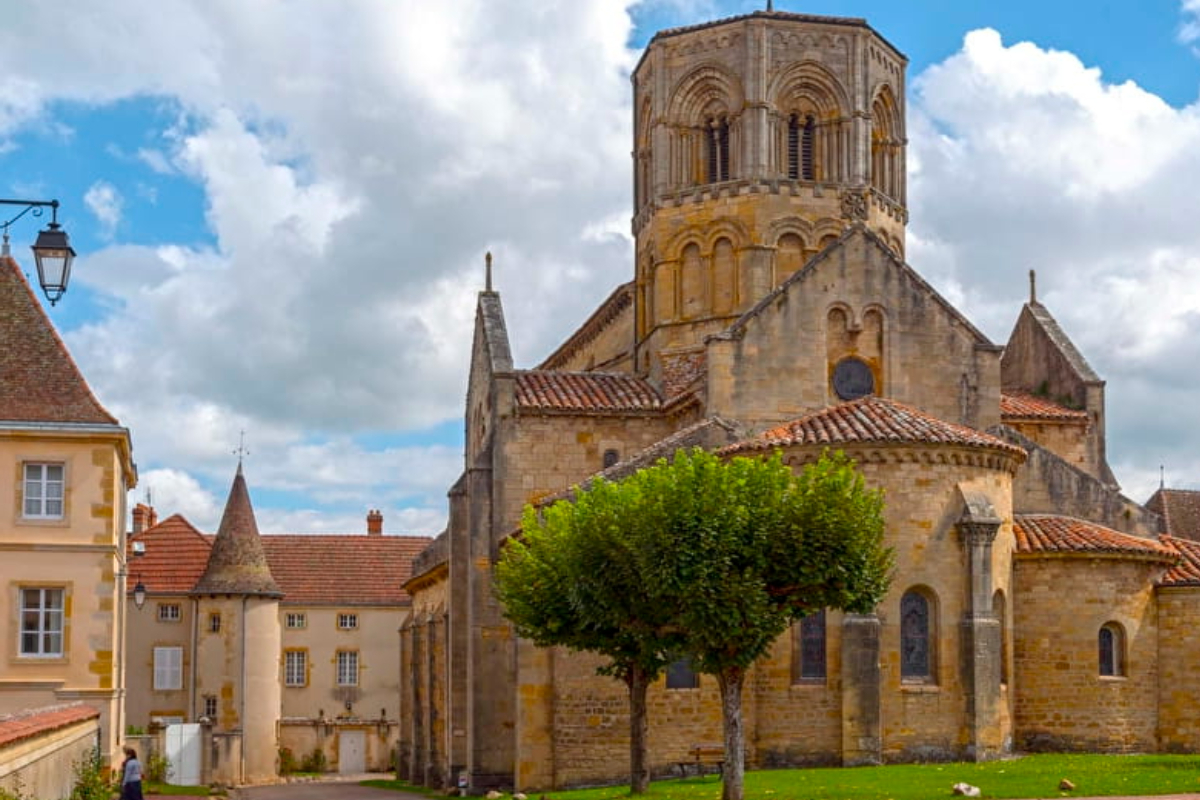
- Its Romanesque architecture features sculpted portals, columns, and symbolic carvings that tell stories of faith.
- Pilgrims and travelers have visited for centuries, drawn by its spiritual significance and artistic beauty.
- The town of Vézelay itself, with its hilltop views and medieval streets, complements the basilica’s allure.
This overview captures why the Basilica of Sainte Madeleine remains a must-visit site in Burgundy, blending history, art, and spirituality into a single journey.
Exploring the Basilica of Sainte Madeleine
The basilica serves as both a sacred space and a historical monument, making it a unique attraction for visitors. Understanding its origins, architecture, and spiritual role enhances the experience and provides context for every detail you see.
History of the Basilica of Sainte Madeleine
Constructed in the 11th century, the Basilica of Sainte Madeleine quickly became one of Europe’s most important pilgrimage destinations. Pilgrims traveled from across the continent to venerate the relics housed within its walls. The basilica also played a role in medieval power and politics, hosting prominent figures and even influencing the design of other religious buildings in the region.
The influence of Cluny Abbey’s medieval influence is evident in the basilica’s design and spiritual practices. Like Cluny, the basilica emphasized grandeur, ceremony, and devotion. Visitors today can still feel the echoes of medieval spirituality in the carefully carved capitals and the solemnity of its nave.
Architectural Highlights
The basilica’s architecture blends artistry and purpose. Its sculpted portals tell biblical stories in stone, offering both instruction and inspiration to those who enter. Columns support vaulted ceilings with detailed carvings, depicting saints, angels, and symbolic motifs. Natural light filters through the windows, creating a serene atmosphere that encourages reflection and contemplation.
Exploring the basilica also provides a sense of Vézelay’s unique landscape. Climbing toward the entrance, you can appreciate Vézelay hill and history, observing how the town’s layout and elevation were strategically designed to inspire awe and provide spiritual perspective. Each street, staircase, and vantage point connects the visitor to centuries of devotion.
Spiritual History of Vézelay
Vézelay’s spiritual prominence began in the 9th and 10th centuries when monks established religious communities that drew pilgrims seeking relics and blessings. By the 11th century, the Basilica of Sainte Madeleine had become a central pilgrimage site, famed for its relics of Mary Magdalene. Pilgrims traveled long distances along the Way of St. James to reach this sacred destination, bringing both devotion and commerce to the town.
The town also played a critical role in historical religious events, including preaching missions and preparations for crusades. Kings and notable church figures visited, reinforcing Vézelay’s influence in European spirituality. Over centuries, the town became synonymous with faith, reflection, and the arts, fostering a cultural and spiritual legacy that shaped the surrounding Burgundy region.
Vézelay’s spiritual heritage is interconnected with other religious landmarks in Burgundy. As part of a broader network of sacred sites, the town reflects the deep devotion that permeated medieval society and continues to inspire modern visitors seeking historical and spiritual insight.
Spiritual and Cultural Significance
The Basilica of Sainte Madeleine holds deep spiritual meaning beyond its architectural beauty. Pilgrims historically traveled long distances to seek blessings, pray, or prepare for journeys along the Way of St. James. The basilica also served as a center for community gatherings and religious ceremonies, reinforcing its importance in Burgundy’s cultural landscape.
The basilica belongs to a network of ancient Burgundy sacred sites that collectively shaped the region’s religious identity. These sites offer insights into medieval spirituality, illustrating how faith influenced daily life, education, and artistic expression. Today, visitors can sense the historical continuity of devotion that continues to inspire awe.
Travel Tips for Visiting the Basilica of Sainte Madeleine
Planning your visit to the Basilica of Sainte Madeleine ensures a meaningful and enjoyable experience. Understanding practical details allows travelers to maximize their time in Vézelay and appreciate the site fully.
Getting There and Navigating Vézelay
Vézelay is accessible by car or train, with well-marked routes leading to the town center. Once in the town, walking is the best way to explore its narrow medieval streets. Approaching the basilica from the main square gives a gradual reveal of the structure, enhancing its visual impact and the sense of anticipation for first-time visitors.
Guided Tours and Spiritual Experiences
Guided tours provide in-depth explanations of the basilica’s history, artwork, and spiritual traditions. Many tours highlight the carved portals, the symbolism behind architectural details, and stories of famous pilgrims. Attending a service or a special event can also give visitors a sense of how the space continues to function as a living religious site.
Nearby Attractions and Local Culture
Beyond the basilica, Vézelay offers charming streets, quaint shops, and local cafes that complement the visit. Sampling regional food or taking a short walk to admire the surrounding vineyards adds depth to the experience.
Planning Your Visit to the Basilica of Sainte Madeleine in Vézelay
For those seeking a deeper connection, timing the visit can enhance the experience. Spring and early summer offer pleasant weather and blooming landscapes, while quieter weekdays allow for reflection without large crowds. Taking time to study the basilica’s art, attend a mass, or simply sit in contemplation offers both educational and spiritual value.
Travelers should consider combining a visit to the basilica with walks around Vézelay’s historic streets, exploring local heritage, and savoring Burgundy’s culinary offerings. This approach ensures a well-rounded experience that honors the Basilica of Sainte Madeleine and its surrounding town.
Discovering the Legacy of the Basilica of Sainte Madeleine
The enduring charm of the Basilica of Sainte Madeleine lies in its ability to connect past and present. Visitors leave with more than memories; they gain an appreciation for the dedication, artistry, and devotion that shaped the basilica over centuries.
For those interested in learning more, the history of the basilica of Vézelay provides additional insights into its construction, significance, and continuing role as a spiritual destination. This resource allows travelers and history enthusiasts to delve deeper into the centuries of faith and community that define the basilica. By exploring the Basilica of Sainte Madeleine, travelers not only witness an architectural marvel but also become part of a living tradition that continues to inspire awe, reflection, and appreciation for Burgundy’s cultural heritage.