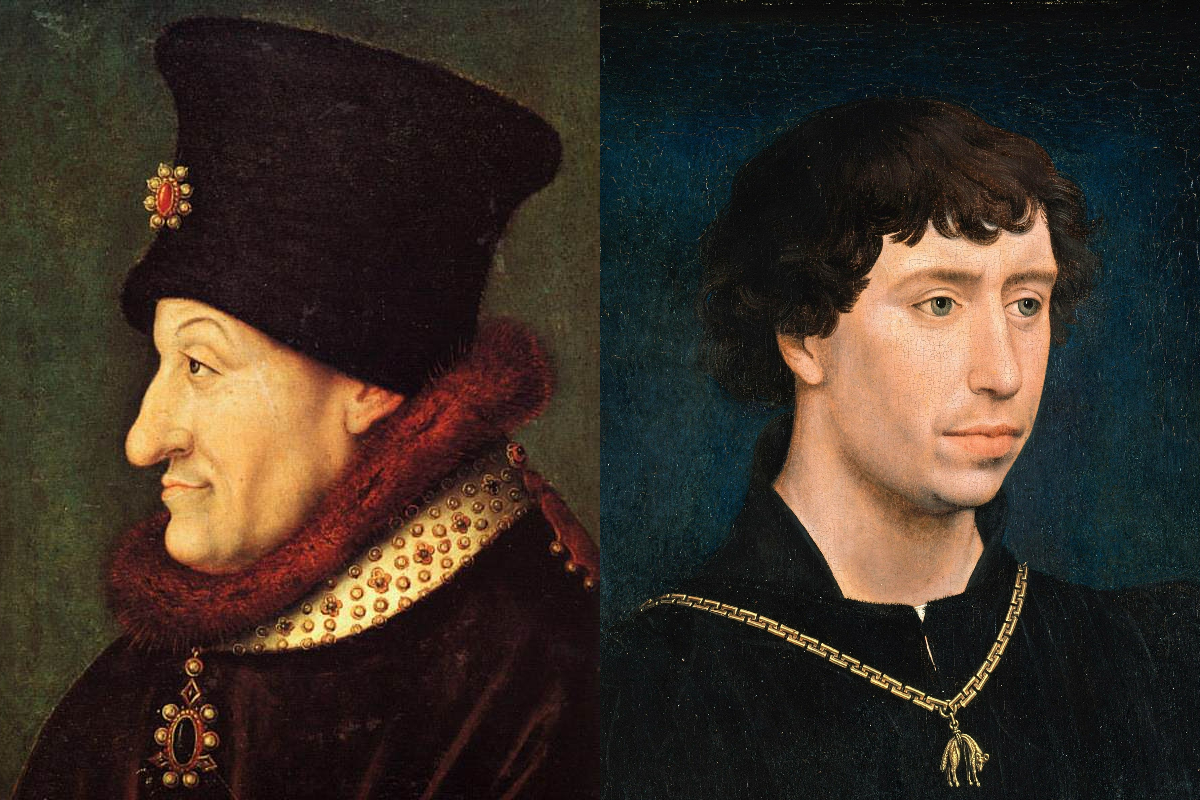
The dukes of Burgundy were more than regional rulers; they were shapers of European politics, culture, and trade during the Middle Ages. From the late 14th century to the 15th century, Burgundy evolved under its leadership from a powerful duchy into a sophisticated political entity rivaling even France and the Holy Roman Empire. Each duke brought unique skills and ambitions: Philip the Bold built the foundation of power, John the Fearless navigated political turbulence, Philip the Good expanded both territory and culture, and Charles the Bold pursued bold military campaigns.
Understanding these rulers helps visitors appreciate the history behind Burgundy’s castles, towns, and abbeys.
For travelers and history enthusiasts alike, learning about the dukes transforms a visit to Burgundy into a journey through political intrigue, artistic patronage, and enduring legacy. This article explores their rise, achievements, and the landmarks that preserve their influence.
Dukes of Burgundy: Foundations of European Power
The dukes of Burgundy combined ambition, diplomacy, and cultural sophistication to elevate their duchy into a major European power. Their reigns illustrate how strategic marriages, military prowess, and patronage of art and religion could establish a lasting legacy.
In this guide, you’ll explore:
- The early rise of Philip the Bold and the Valois line
- Political and military maneuvers by John the Fearless
- Cultural and territorial achievements of Philip the Good
- Charles the Bold’s ambitious military campaigns
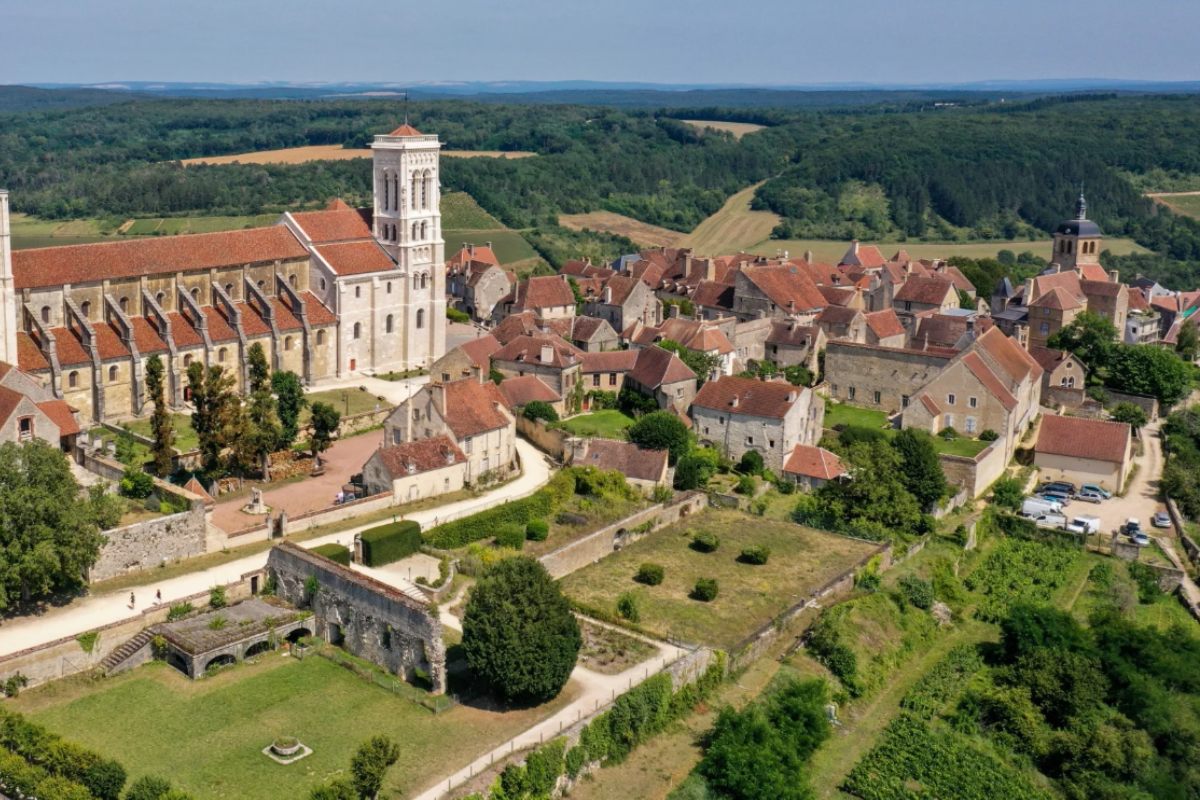
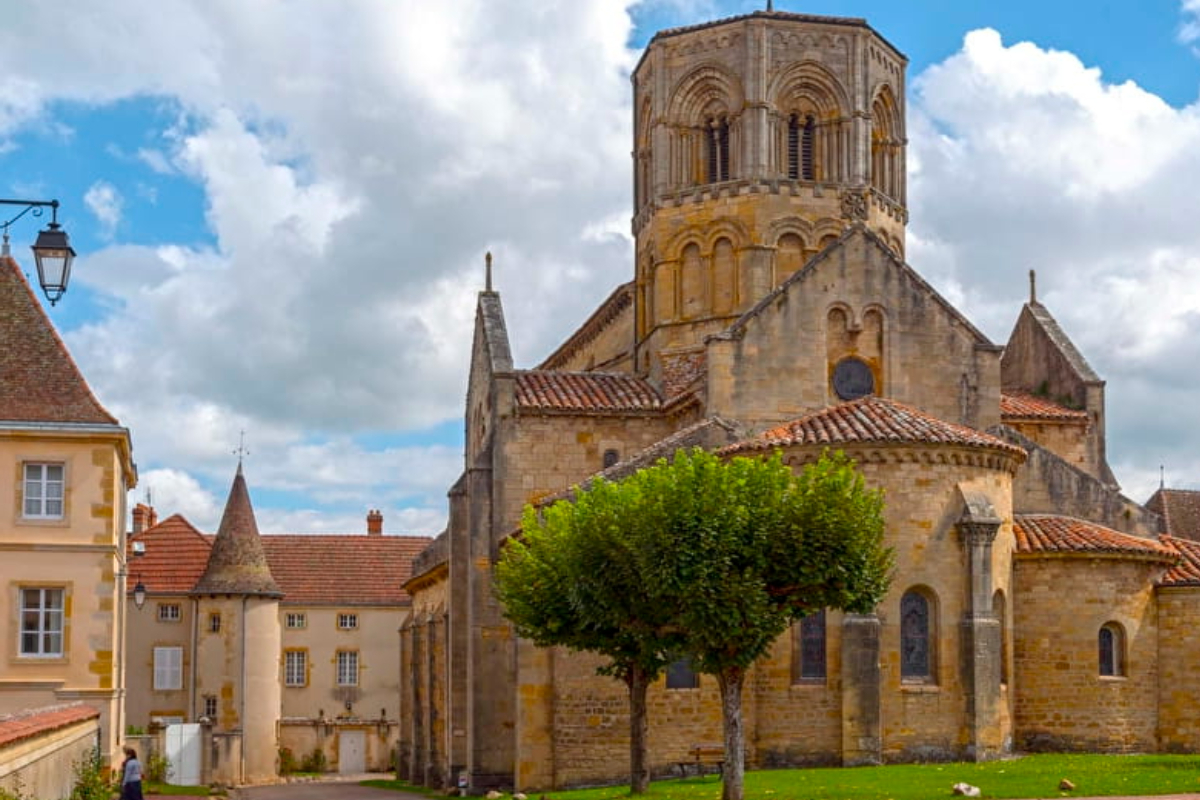
- Historical sites, towns, and traditions reflecting their influence
The Rise of the Dukes of Burgundy
The Dukes of Burgundy did not inherit a kingdom; they built one. Their ascent combined smart alliances, territorial management, and cultural investments that secured their power and European influence.
Philip the Bold: Founder of the Valois Line
Philip the Bold (1363–1404), son of King John II of France, became the first Valois Duke of Burgundy. His reign established the political foundation for centuries of influence. Through his marriage to Margaret III of Flanders, Philip acquired the wealthy counties of Flanders, Artois, and Rethel, significantly expanding the duchy’s economic and political power. These territories brought bustling cities, trade networks, and considerable wealth under Burgundy’s control.
Philip also leveraged the Cluny Abbey influence to strengthen his legitimacy. Aligning with powerful religious institutions gave him moral authority and access to educated advisors who helped govern his expanding domains. Monasteries under his patronage preserved manuscripts, trained administrators, and supported the arts, laying the groundwork for Burgundy’s cultural sophistication.
His policies combined diplomacy and military foresight. Philip built alliances with neighboring lords, fortified towns, and ensured that Burgundy could maintain autonomy despite pressures from France. By the end of his reign, Philip had transformed a regional duchy into a formidable European power.
John the Fearless: Political Maneuvering and Conflict
John the Fearless (1371–1419), Philip’s son, inherited a duchy at a time of internal French conflict. Known for his bold and sometimes ruthless political tactics, John navigated the Armagnac–Burgundian civil wars with skill. His role in French politics made Burgundy indispensable, often acting as mediator and power broker between warring factions.
John strengthened Burgundy through strategic marriages and alliances. By marrying Margaret of Bavaria, he connected the duchy to influential families in the Low Countries. He also maintained the Burgundian court as a hub for diplomats, scholars, and artists, demonstrating that political power and cultural prestige could advance hand in hand.
Despite his successes, John’s assassination in 1419 by the Armagnacs plunged Burgundy into tension with France. Yet this tragedy only highlighted the Duchy’s importance in European politics and underscored John’s role in securing its influence during turbulent times.
Philip the Good: Patron of Arts and Expansion
Philip the Good (1396–1467) presided over the peak of Burgundian influence. Expanding the duchy into the modern Low Countries, he brought Flanders, Brabant, and Holland firmly under Burgundian control. These territories created a robust economic network that funded both political campaigns and lavish court life.
Philip’s court became a cultural center. He employed painters, musicians, and scholars, fostering innovations in art and music. Visiting the Château de Bussy Rabutin today shows the grandeur Philip cultivated, from its ornate interiors to carefully designed gardens. Festivals and public celebrations reflected not only the duke’s wealth but also his influence over societal and artistic trends across Europe.
Philip also strengthened administration and urban planning in his territories. Markets, fortifications, and trade routes flourished, creating a stable economic base that reinforced his political power. His reign demonstrated that strategic governance and cultural investment were intertwined in sustaining European influence.
Charles the Bold: Ambition and Military Pursuits
Charles the Bold (1433–1477) was the final powerful Duke of Burgundy. His ambition was unmatched; he sought to create a kingdom stretching from the North Sea to the Alps. Charles invested in military campaigns, fortifications, and alliances that reflected both vision and determination.
Charles also focused on urban development and economic planning. Cities like Dijon and Beaune received fortifications, trade infrastructure, and public buildings under his direction. These projects demonstrated that Charles’ vision went beyond mere conquest; he sought a durable, prosperous state.
Though his military campaigns ultimately failed, leading to his death in battle, Charles left an enduring legacy. The towns, castles, and cultural institutions from his reign continue to shape Burgundy’s landscape and identity.
Political and Cultural Influence of the Dukes
The Dukes of Burgundy were not just rulers; they were innovators. Their investments in arts, architecture, and religion strengthened their power and created a rich cultural heritage.
Art, Architecture, and Court Life
Philip the Good and Charles the Bold transformed their courts into cultural hubs. Artists, musicians, and scholars thrived under their patronage. The Château de Bussy Rabutin remains a testament to their opulent taste and sophisticated court life. Public ceremonies, festivals, and tournaments reinforced the Dukes’ authority while promoting Burgundy as a center of refinement in Europe.
Religious and Charitable Contributions
The Dukes’ support for monasteries, abbeys, and hospitals integrated faith into governance. The Hospices de Beaune’s history illustrates their commitment to social welfare, showing how political power and charity could reinforce each other. These institutions served as centers for learning, healthcare, and community support, leaving lasting landmarks for modern travelers.
Legacy of the Dukes of Burgundy
The Dukes’ influence continues to shape Burgundy and Europe centuries later. Their leadership combined politics, culture, and strategy to create an enduring impact.
Historical Sites to Explore Today
Castles, abbeys, and historic towns built or influenced by the Dukes are still accessible. Dijon and Beaune showcase their architectural and cultural marks. Travelers can walk through these sites to experience their legacy firsthand.
Influence on Modern Burgundy
Wine culture, regional cuisine, and urban planning in Burgundy reflect decisions made by the Dukes. Visiting these towns reveals the tangible outcomes of centuries-old strategies and ambitions.
Political Strategies That Shaped Europe
Philip the Bold, John the Fearless, Philip the Good, and Charles the Bold used diplomacy, marriages, and treaties to influence European politics. Their strategies allowed Burgundy to maintain independence while becoming a major continental player.
Cultural Legacy in Arts and Festivals
The Dukes’ patronage of art and music inspired traditions that persist today. Annual festivals celebrate Burgundy’s artistic heritage, connecting modern visitors to the cultural vision fostered under the Dukes’ courts.
Dukes of Burgundy: Lasting Influence and Insights
The dukes of Burgundy exemplify how leadership, vision, and culture can shape a region and a continent. Their reign demonstrates the enduring impact of combining political foresight with artistic and social investment. For a detailed overview of the history of Burgundy dukes, readers can explore trusted sources summarizing their political and cultural achievements. Experiencing Burgundy today, from castles and abbeys to towns and traditions, offers insight into the vision of these remarkable rulers.