The winemakers of Burgundy carry forward a legacy that stretches back centuries, blending history, artistry, and meticulous attention to detail. Each bottle tells a story of the region’s soil, climate, and the dedication of the people who tend the vines. From small family estates to globally recognized domaines, Burgundy’s wine culture thrives on the balance between tradition and innovation.
For visitors and wine enthusiasts, understanding these winemakers and their craft traditions opens a window into the region’s soul and helps each sip come alive. As we explore their histories and techniques, you’ll discover why Burgundy remains a benchmark for quality wines worldwide.
Before diving into the details, it’s useful to have a quick overview of what makes the winemakers of Burgundy so distinctive.
Understanding the Winemakers of Burgundy: A Heritage of Craft
The craft of Burgundy’s wines is more than just grapes and soil. It reflects centuries of care, experimentation, and devotion. Each vineyard is a living testament to the dedication of its winemakers. This section highlights the key elements that define their craft traditions.
Some of the core features include:
- Centuries-old practices were preserved through monastic orders, noble families, and family estates.
- Attention to terroir, ensuring that soil, climate, and grape varieties are respected.
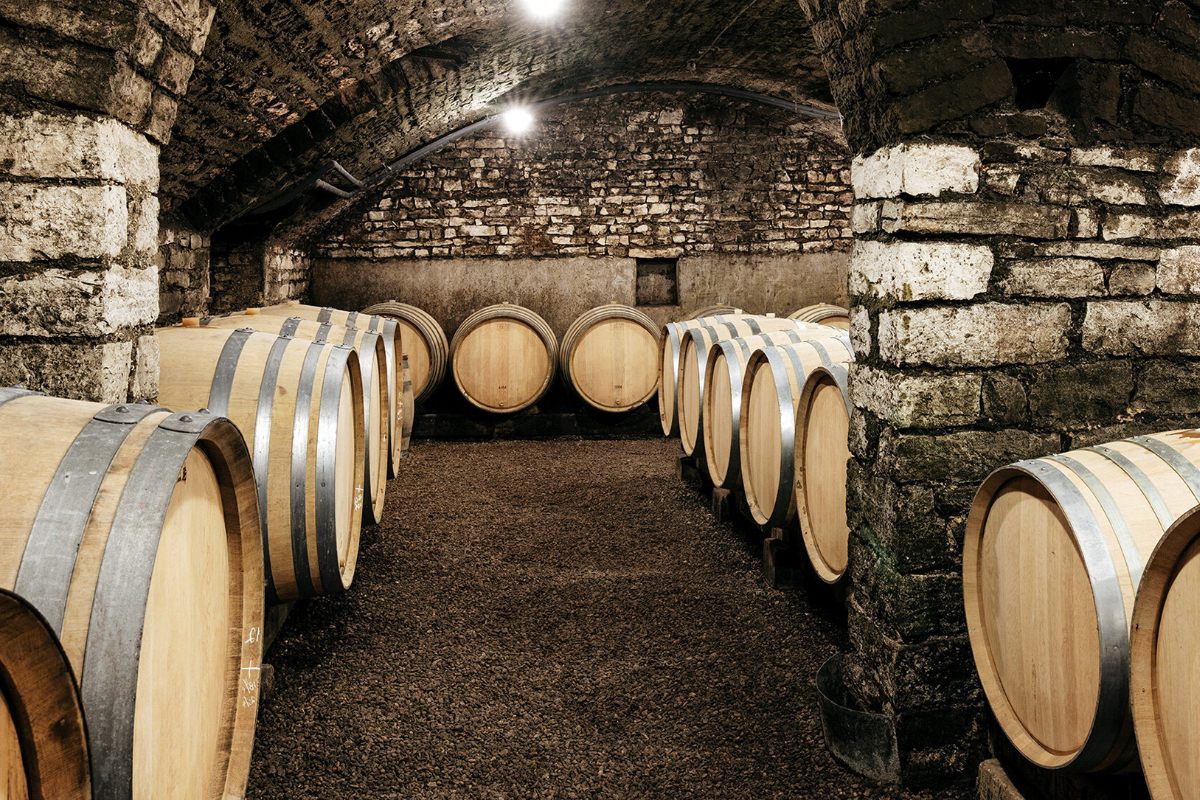
- Artisanal techniques for harvesting, fermentation, and barrel aging.
- Opportunities for visitors to experience tastings and meet the winemakers firsthand.
These points prepare readers to explore both the people and the methods that have shaped Burgundy wines for generations.
Historical Roots of the Winemakers of Burgundy
The story of Burgundy wines begins with dedicated stewards of the land. From medieval monks to noble families, each era contributed to the development of vineyards that remain active today. Their techniques laid the foundation for the region’s craft traditions.
Influence of Monasteries and Nobility
Monastic orders were among the earliest custodians of Burgundy’s vineyards. Monks meticulously documented cultivation, harvest cycles, and fermentation processes. Noble families also invested heavily, ensuring the land was preserved and that quality standards were met. Many winemakers of Burgundy preserve centuries-old practices inspired by the region’s Burgundy wine heritage, which grew from these monastic and noble contributions.
Family Estates and Generational Knowledge
Small family-run vineyards have also been vital in maintaining craft traditions. Techniques like pruning, selective harvesting, and barrel aging are handed down from generation to generation. Visiting these estates offers an intimate view of the daily care and skill behind every bottle.
Notable Winemakers of Burgundy
This section highlights a few of the most celebrated winemakers and domaines, showcasing how their craft traditions continue to shape the region’s wines.
Domaine de la Romanée-Conti
Known worldwide for its exquisite Pinot Noir, Domaine de la Romanée-Conti has maintained meticulous vineyard records for centuries. Winemakers here practice selective harvesting by hand, ensuring only the ripest grapes are used. They also pay close attention to fermentation and barrel aging, balancing tradition with careful innovation. Visitors often note the dedication to terroir, which is reflected in every bottle.
Domaine Leflaive
Specializing in Chardonnay, Domaine Leflaive is celebrated for its precise winemaking and sustainable vineyard practices. The domaine emphasizes soil health, minimal intervention, and careful pruning. Their white wines are crisp, complex, and expressive of the unique terroir. Learning about their approach provides insight into how traditional practices evolve while staying true to the region’s heritage.
Maison Joseph Drouhin
Maison Joseph Drouhin blends history with modern techniques, producing both reds and whites across Burgundy. Winemakers here carefully manage fermentation temperatures and barrel selection. They focus on preserving the natural flavor of each grape while honoring time-tested methods. Tasting their wines provides a clear sense of the craft and dedication that define Burgundy winemaking.
This section gives readers concrete examples of the winemakers of Burgundy and illustrates how craft traditions are applied in practice.
Modern Craft Traditions Among Winemakers of Burgundy
While tradition is central, modern winemakers balance history with innovation. Sustainable vineyard practices, precise fermentation techniques, and careful aging ensure that wines remain expressive and consistent.
Vineyard Techniques and Terroir Preservation
Burgundy’s terroir, the combination of soil, slope, and microclimate, is central to every decision. Many vineyards practice minimal intervention to preserve the natural character of the grapes. Visitors exploring Burgundy often follow the Grands Crus wine route, which showcases how winemakers of Burgundy cultivate grapes with precision and respect for their land. Methods such as green harvesting, careful pruning, and composted soil enrichment maintain the harmony between plant and place.
Wine Tasting and Visitor Experiences
Experiencing a Burgundy winery is more than a tasting; it is an education in craft. While visiting the Burgundy wine capital, travelers can meet the winemakers of Burgundy and gain firsthand insight into their methods. Sommeliers explain each vintage, sharing stories of the vineyards and the families who cultivate them. These encounters illuminate both the skill and the passion behind every bottle.
Regions and Vineyards of Note
Burgundy spans diverse landscapes, each producing wines with unique characteristics. Understanding these regions helps visitors appreciate the craft and plan meaningful visits.
Côte de Nuits and Premier Crus
Home to bold, expressive Pinot Noir, the Côte de Nuits is a region where meticulous care and centuries of knowledge converge. Vineyards are often small, with families carefully tending individual plots to ensure exceptional quality.
Côte de Beaune and White Wines
Chardonnay thrives in this area, producing elegant white wines. Many winemakers combine historical methods with modern precision to preserve subtle flavors and aroma profiles. Visitors often enjoy comparing reds and whites across neighboring vineyards.
Lesser-Known Vineyards and Hidden Gems
Beyond famous appellations, smaller estates offer intimate experiences and distinctive wines. Exploring these hidden gems allows travelers to observe craft traditions in action and meet passionate winemakers committed to artisanal excellence.
Planning Your Visit to Meet Winemakers of Burgundy
Timing, preparation, and understanding local customs enhance vineyard visits. Harvest season showcases vibrant activity, while wine festivals highlight local culture. Booking tours in advance ensures personalized experiences. Learning about daily vineyard routines and tasting wines in context provides insight into the skill, patience, and creativity that define Burgundy wines.
Celebrating the Craft of Winemakers of Burgundy
The winemakers of Burgundy exemplify dedication, skill, and respect for tradition. From legendary domaines like Domaine de la Romanée-Conti and Domaine Leflaive to family estates like Maison Joseph Drouhin, each embodies a blend of historical knowledge and careful innovation. Experiencing these vineyards firsthand allows visitors to see the labor and love poured into every bottle.
For those curious about the techniques behind Burgundy’s wines, understanding traditional viticulture methods provides insight into how generations of winemakers have preserved the region’s unique flavors. Visiting vineyards, tasting wines, and learning from the winemakers transforms wine appreciation into a rich cultural experience. Whether exploring the Grands Crus wine route or smaller family estates, travelers gain a deeper understanding of both the people and practices that make Burgundy wines extraordinary.