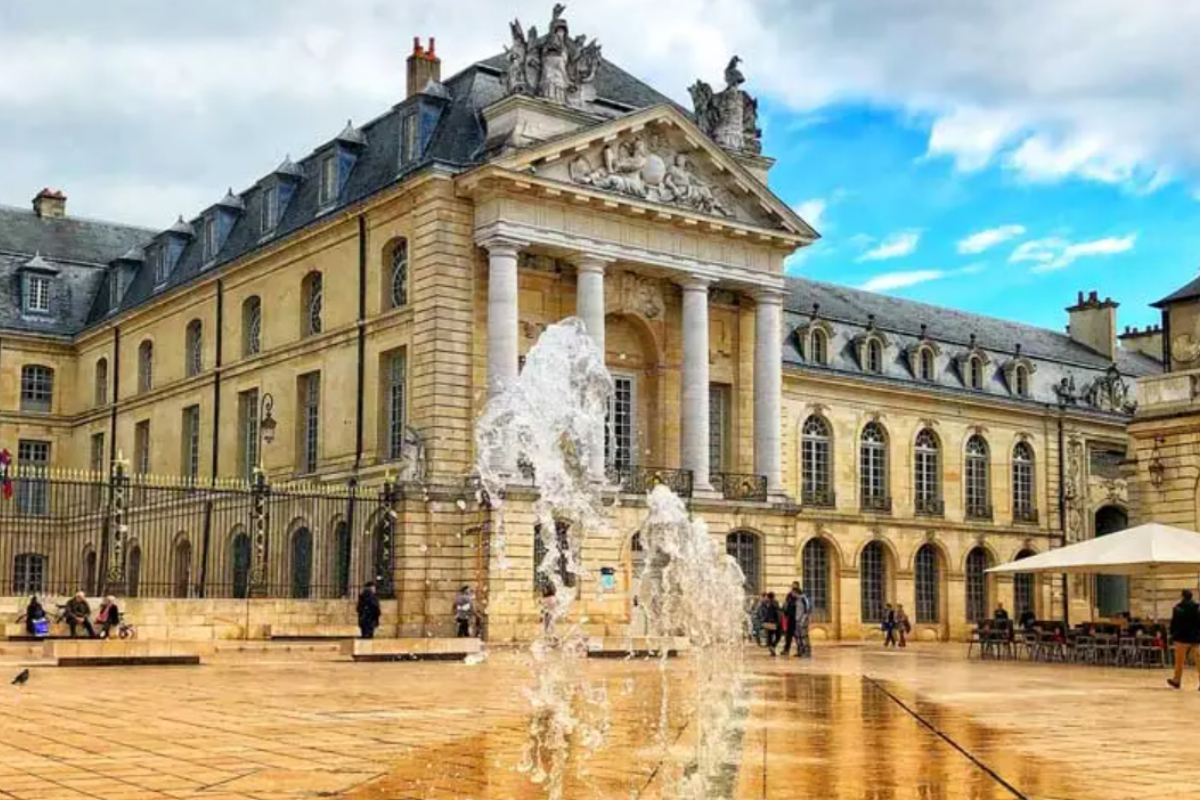
This Dijon travel guide invites visitors to explore the heart of Burgundy, where history, gastronomy, and culture intertwine. From medieval architecture to bustling food markets, Dijon balances tradition with contemporary charm, creating experiences that appeal to history enthusiasts and food lovers alike. Travelers can immerse themselves in the city’s rich past while savoring culinary delights and discovering artistic treasures. As you plan your journey, this guide provides detailed insights to ensure a memorable visit.
Dijon Travel Guide: Key Highlights Before You Go
Before diving into the city’s streets, it helps to understand what makes Dijon special. This Dijon travel guide offers a concise overview of the main attractions, culinary experiences, and cultural landmarks to prioritize during your visit. Consider this section a roadmap for planning your itinerary efficiently.
Here are some essential aspects to keep in mind:
- Historical sites, including palaces, churches, and museums, reflect Dijon’s medieval and Renaissance legacy.
- Culinary experiences, featuring traditional dishes, local wine, and vibrant food markets.
- Cultural activities, from festivals and music performances to artisan workshops.
- Walking tours and scenic routes highlight the city’s architecture and streetscapes.
- Practical tips for visiting, including the best times to explore and transportation options.
With these points in mind, the following sections of this Dijon travel guide explore each element in detail.
Discovering Dijon’s Historical Heritage
Dijon’s history stretches back centuries, offering insights into Burgundy’s political and cultural significance. This city was once the seat of powerful dukes whose influence shaped European history. Understanding Dijon’s past enriches your experience and allows you to appreciate the architecture and traditions that still thrive today.
The Dukes of Burgundy’s Legacy
The city’s medieval heart still echoes the influence of its rulers. Visiting the Palais des Ducs, you can see exhibits showcasing artwork, armor, and documents that tell the story of Burgundy’s prominence. Travelers gain a tangible sense of the power, politics, and culture that defined the region. Exploring the city also highlights the history of the dukes of Burgundy, as their architectural and cultural legacies remain central to Dijon’s identity.
Iconic Historical Sites
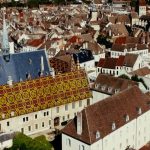
Dijon’s streets are lined with remarkable landmarks. Dijon Cathedral, with its Gothic details, offers spiritual history and stunning stained glass. Place de la Libération provides a public square that reflects centuries of civic life. Walking through medieval lanes, visitors notice traditional timbered houses and historical plaques, each revealing stories of past inhabitants. Guided tours provide additional context and anecdotes about the city’s transformation over time.
Cultural Institutions and Museums
Museums in Dijon preserve and celebrate both local and European history. Art enthusiasts can explore the Musée des Beaux-Arts, which houses works ranging from the Renaissance to modern art. Small galleries and exhibitions showcase regional craftsmanship, emphasizing the city’s cultural richness. These institutions allow travelers to engage deeply with Burgundy’s heritage and artistic achievements.
Savoring Dijon’s Culinary Scene
Dijon’s food scene is integral to its identity, combining centuries-old recipes with local ingredients. This city is renowned not only for its mustard but also for its savory dishes and wine culture. Following this part of the Dijon travel guide, visitors can enjoy a full gastronomic experience.
Traditional Burgundy Cuisine
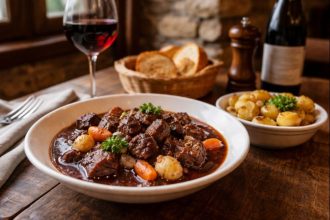
The city’s restaurants serve regional specialties like boeuf bourguignon, coq au vin, and escargot. Sampling these dishes reveals the layers of flavor and history embedded in the recipes. Many establishments focus on farm-to-table ingredients, emphasizing authenticity. Travelers can experience Burgundy cuisine specialties at bistros and market stalls, offering a taste of the region’s culinary heritage.
Markets and Gastronomic Experiences
Les Halles market, designed by Gustave Eiffel, showcases fresh produce, cheeses, and charcuterie. Visiting early in the morning provides a lively, authentic atmosphere, while guided tasting tours offer insights into ingredient sourcing and preparation. Seasonal events, like truffle fairs or wine festivals, enhance the culinary journey, allowing visitors to engage directly with local producers.
Wine Heritage and Nearby Estates
Burgundy is synonymous with wine, and Dijon serves as an excellent starting point for exploring historic vineyards. Hospices de Beaune, a short trip from the city, demonstrates Burgundy’s long-standing charitable wine traditions. Visitors learn about production methods and the region’s role in European viticulture. Engaging with the city’s wine culture highlights Burgundy’s wine heritage, connecting gastronomy with history in a meaningful way.
Experiencing Dijon’s Culture and Lifestyle
Beyond history and food, Dijon thrives with cultural activities that reveal local life and traditions. This section of the Dijon travel guide explores music, art, and seasonal events that visitors can enjoy during their stay.
Festivals and Events
Dijon hosts music and gastronomy festivals throughout the year. These events celebrate local talent, historical traditions, and seasonal produce. Participating in performances or street celebrations offers a lively glimpse into city life and fosters authentic interactions with residents.
Art, Music, and Local Craftsmanship
Art galleries and music venues provide spaces for discovering both contemporary and traditional works. Workshops offer visitors the opportunity to learn crafts such as pottery or textile weaving. Engaging in hands-on experiences creates lasting memories and supports local artisans.
Walking Tours and Scenic Streets
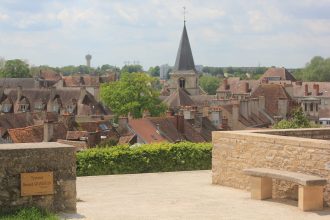
Strolling through Dijon’s historic center reveals architectural treasures and picturesque streets. Recommended routes pass through squares, hidden courtyards, and centuries-old façades. Guided or self-guided walking tours encourage exploration at a comfortable pace, connecting history, culture, and daily city life.
Practical Tips for Your Dijon Visit
Planning a trip ensures a smoother and more enjoyable experience. This section of the Dijon travel guide covers essential advice for first-time visitors.
Best Times to Visit
Spring and autumn offer mild weather and smaller crowds, ideal for exploring outdoor markets and landmarks. Summer features festivals and lively street performances, while winter allows a quieter visit with cozy culinary experiences.
Transportation and Getting Around
Dijon is walkable, making it easy to explore the central districts. Public buses, taxis, and bike rentals provide additional convenience for longer trips or visits to surrounding vineyards and attractions.
Accommodation Options
The city offers hotels, boutique stays, and budget-friendly options. Staying near the historic center allows easy access to museums, restaurants, and walking tours. Choosing accommodations close to key landmarks helps maximize sightseeing time.
Dijon Travel Guide: Enjoying the City’s Full Experience
Dijon seamlessly blends history, gastronomy, and culture into a vibrant travel destination. Following this Dijon travel guide ensures you engage with the city’s landmarks, taste authentic dishes, and immerse yourself in local traditions. Whether wandering through medieval streets, tasting regional cuisine, or attending festivals, visitors leave with a rich understanding of Burgundy’s heritage.
For an extra touch of culinary insight, discovering the Dijon mustard tradition offers a glimpse into the flavors and history that define this iconic city. This addition enriches any itinerary and adds depth to your visit.