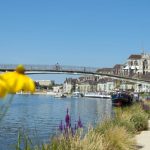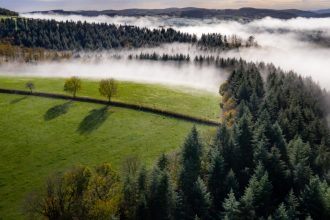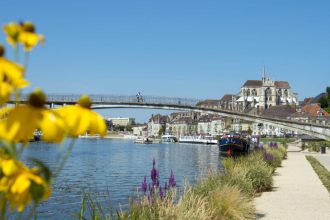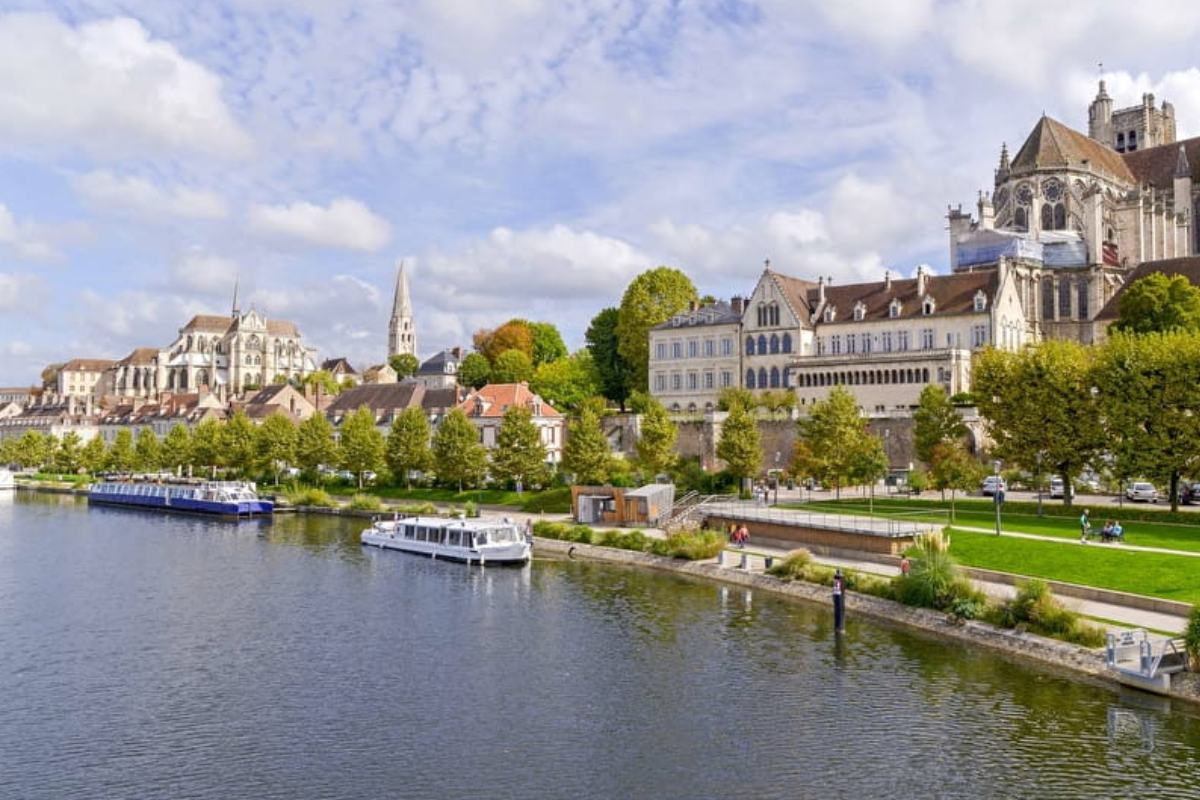
Flowing through the heart of Burgundy, Burgundy’s River Yonne has shaped the landscape and the lives of those living along its banks for centuries. From its source in the Morvan hills to its meeting with the Seine, this river has guided trade, inspired settlements, and nurtured communities that carry a rich history. For travelers and history enthusiasts, following its course offers a unique way to explore Burgundy’s architectural heritage, medieval towns, and scenic riversides.
Its significance goes beyond scenery. Towns along the river display centuries of human ingenuity, from Roman influences to medieval fortifications. By tracing the river’s path, visitors can uncover stories of trade, culture, and strategic planning that shaped Burgundy. Let’s take a closer look at what makes Burgundy’s River Yonne essential to the region’s history and why it deserves a place on every travel itinerary.
Burgundy’s River Yonne: A Snapshot of History and Culture
Before diving into the details of towns and trade along the river, it helps to understand why this waterway has been so influential. Burgundy’s River Yonne not only provided a source of water and fertile land but also offered a natural route for merchants, travelers, and armies. Settlements sprang up along its banks, each contributing to the cultural and economic tapestry of Burgundy.
Here is a quick glimpse of what visitors can experience along the river:
- Explore medieval fortifications and town centers that survived centuries of change.
- Learn about the river’s role in trade and commerce in towns like Chalon-sur-Saône.
- Discover local culture, culinary specialties, and riverside activities unique to Burgundy.
- Walk or cycle along scenic paths that showcase natural beauty and historical architecture.
These highlights offer a framework for deeper exploration, giving travelers both context and guidance before venturing into the main historic settlements along the river.
Exploring Burgundy’s River Yonne: Historical Overview
The origins of Burgundy’s River Yonne trace back to the Morvan hills, a region of rolling forests and small streams that feed into this vital waterway. Its 293-kilometer journey through Burgundy has influenced settlements, shaping both their layout and economy. Understanding the river’s history provides insight into why certain towns prospered and why their architecture reflects centuries of adaptation to the river environment.
The river’s strategic location made it a hub for commerce and travel. Medieval settlers recognized its value for transportation, defense, and agriculture. Today, visitors can witness how these early choices continue to define the region’s towns and landscapes.
Origins and Course of the River Yonne
Burgundy’s River Yonne begins in the Morvan hills and travels through picturesque valleys before joining the Seine near Montereau-Fault-Yonne. Along its course, it passes through towns like Avallon, Auxerre, and Clamecy. Each settlement developed uniquely based on its proximity to the river, with riverbanks often hosting marketplaces, docks, and community centers. This natural pathway created both opportunities and challenges, shaping urban planning that can still be admired today.
The river’s course also influenced agricultural practices. Fertile soils along its banks supported vineyards, cereal crops, and livestock, fostering communities that relied on the river not just for trade, but for sustenance.
Medieval Settlements along Burgundy’s River Yonne
Many of the towns along the river display remarkable medieval heritage. Fortified walls, narrow cobbled streets, and ancient churches are common sights. Travelers exploring the medieval Burgundy town of Semur en Auxois can admire the elevated castle and surrounding ramparts, which served both as protection and a symbol of civic pride. Other towns, like Avallon and Clamecy, offer equally rich glimpses into medieval life, with architecture that reflects centuries of strategic planning and artisan skill.
The positioning of these settlements along the river allowed for efficient defense while maintaining access to trade routes. Visiting these towns today gives a sense of how closely the river shaped the rhythm of daily life centuries ago.
River Trade and Economic Development
The Yonne played a pivotal role in regional commerce. Goods such as timber, wine, and grain moved along the river, connecting inland towns to larger markets. The growth of towns along Burgundy’s River Yonne was closely tied to river trade in Burgundy, which brought prosperity and cultural exchange. Chalon-sur-Saône, for instance, flourished as a commercial hub, with merchants using the river to transport goods efficiently across Burgundy.
Even today, riverside markets in some towns echo this long history of trade. Travelers can see centuries-old warehouses, reconstructed docks, and town squares where commerce once thrived. Understanding these connections makes the river more than a scenic feature; it becomes a living corridor of history.
Visiting Burgundy’s River Yonne Today
Modern travelers can experience Burgundy’s River Yonne not only for its history but also for its natural beauty and leisure opportunities. The riverbanks offer walking trails, cycling routes, and quiet spots for reflection. Its proximity to historic towns provides a blend of outdoor adventure and cultural exploration.
Top Historic Towns to Explore
Among the most compelling towns along the river are Avallon, Auxerre, and Clamecy. Each town showcases a mixture of Roman, medieval, and Renaissance architecture. Travelers interested in Roman and medieval Autun can explore remnants of city walls and Roman structures that reveal the deep historical layers present in Burgundy.
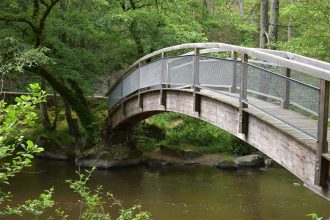
Local guides and small museums offer insights into town histories, while narrow streets and town squares encourage leisurely exploration. For those fascinated by architectural details, medieval bridges and church spires provide plenty of inspiration.
Activities and Scenic Routes
The river’s calm waters and surrounding countryside invite cycling, walking, and even kayaking. Seasonal events, such as summer festivals and riverside fairs, add lively touches to an otherwise tranquil landscape. Paths along the river connect villages, vineyards, and historic landmarks, allowing visitors to experience a variety of sights in one journey.
Culinary and Cultural Experiences
Tasting local wines, sampling regional dishes, and visiting weekly markets enrich the experience. Towns along the river offer charming restaurants and cafes where visitors can enjoy Burgundy specialties like coq au vin or escargots. Cultural experiences, such as music festivals, artisan demonstrations, and historical reenactments, bring the history of the river settlements to life.
Experiencing the Legacy of Burgundy’s River Yonne
Following Burgundy’s River Yonne allows travelers to witness how geography and history intertwine. From medieval towns to bustling markets, the river has shaped human settlement and cultural identity in Burgundy. Walking along its banks offers both scenic views and immersive history lessons, making it a journey through time as well as a visual delight.
For those who want to learn more about the place, check out the towns along the Yonne to understand each settlement’s history and cultural significance. These references offer valuable background and help travelers plan visits with a deeper appreciation of the region.
By connecting with both nature and history, visitors gain a sense of continuity between past and present, experiencing the living story of Burgundy’s River Yonne.