Autun and its Roman and medieval heritage offer travelers a rare glimpse into Burgundy’s deep historical roots. This city, founded as Augustodunum by the Romans, preserves landmarks that tell stories from antiquity to the Middle Ages. Walking its streets, visitors encounter majestic cathedrals, ancient walls, and remnants of Roman architecture, all woven into a living town where history meets daily life. Whether you are fascinated by Roman theatres or medieval churches, Autun invites exploration at every corner. Its heritage not only illustrates architectural brilliance but also reflects the social and cultural transformations of the region.
To prepare for your visit, it helps to know what makes Autun unique and which sites capture its Roman and medieval legacy. The following summary will guide your journey.
Autun and Its Roman and Medieval Heritage: Quick Insights for Travelers
Autun’s rich history is best appreciated with a sense of the city’s evolution. From Roman urban planning to medieval religious power, the city offers diverse experiences for curious visitors. Before diving into the details, here is a brief overview of what to expect:
- Roman theatres and amphitheatres showcase ancient performances
- City gates and defensive walls reflecting Roman military influence
- The Cathedral of Saint-Lazare, with its remarkable Romanesque sculptures
- Cobblestone streets and medieval houses reveal daily life centuries ago
- Nearby towns offering additional medieval architecture and history
These highlights provide a roadmap for exploring Autun’s ancient streets, ensuring your visit captures both Roman sophistication and medieval artistry.
Getting to Know Autun and Its Roman and Medieval Heritage
Nestled in the heart of Burgundy, Autun offers more than just ancient ruins and medieval architecture. This charming town combines a tranquil, small-town atmosphere with a rich cultural legacy that invites visitors to slow down and explore at their own pace. Its streets are lined with cafes, artisan shops, and historic homes, giving travelers a chance to experience daily life alongside centuries of preserved history.
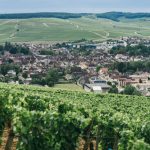
Autun serves as a gateway to the Burgundy region, connecting visitors to vineyards, scenic countryside, and neighboring historic towns. The city’s layout reflects both its Roman origins and medieval development, but even before exploring its landmarks, simply wandering through its streets offers a sense of the town’s enduring character. Public squares host lively markets, while quiet corners reveal hidden sculptures and fountains, offering moments of discovery around every turn.
This section sets the stage for a deeper exploration of Autun and its Roman and medieval heritage, helping readers appreciate the city not just for its monuments but also for its living, welcoming atmosphere.
Exploring Autun’s Roman Legacy
Autun’s Roman past remains visible in landmarks scattered across the city. This section details the remnants of ancient structures that tell stories of civic life and public entertainment during the Roman era.
Ancient Roman Theatre and Amphitheatre
The Roman theatre in Autun stands as a testament to the city’s importance in ancient Gaul. Built with remarkable precision, it once hosted theatrical performances and public gatherings. Today, visitors can still admire the ancient Roman theatre remains, which provide a tangible connection to the city’s vibrant Roman life. Walking through the amphitheatre, you can envision gladiatorial contests and communal events that once animated the city. Guided tours often share stories about Roman citizens and their social rituals, bringing history to life in an accessible way.
The design and scale of the theatre reveal the sophistication of Roman engineering. Its preserved seating tiers, stage area, and surrounding structures allow travelers to understand how architecture facilitated both entertainment and civic pride.
City Gates and Roman Walls
Autun’s Roman fortifications illustrate the city’s strategic significance. The original city walls and surviving gates showcase careful planning and defensive ingenuity. Visitors can follow the pathways along the medieval city walls, tracing the ancient boundaries that once protected residents. Each gate tells a story, from military strategies to the daily movement of traders and townspeople.
Walking these paths provides context for the city’s layout, showing how Roman urban planning influenced not only safety but also the organization of streets and public spaces. Information plaques and guided walks help uncover the history hidden in the stones, making the city’s ancient past more vivid.
Autun and Its Medieval Heritage
While Roman structures define Autun’s ancient cityscape, the medieval period introduced religious, civic, and cultural layers that continue to shape the town today. This section explores the landmarks that reflect Autun’s medieval identity.
Cathedral of Saint-Lazare
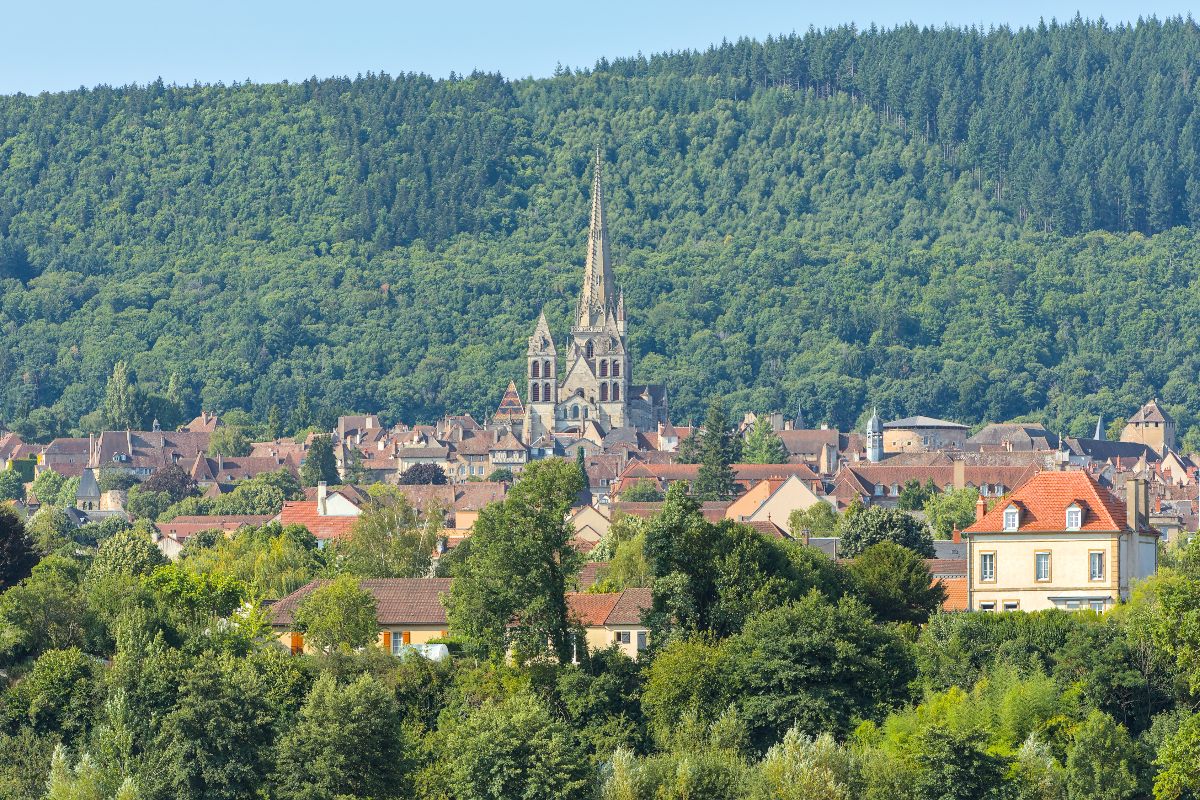
The Cathedral of Saint-Lazare dominates the medieval skyline with its Romanesque grandeur. Its sculptural programs, particularly the Last Judgment tympanum, attract art historians and casual visitors alike. Art enthusiasts often compare the intricate work to Sainte Madeleine spiritual history, highlighting connections between major religious sites in Burgundy. The cathedral demonstrates how medieval artisans combined storytelling, symbolism, and architectural mastery in sacred spaces.
Visiting the cathedral, you can admire detailed stone carvings that depict moral lessons and religious narratives. Local guides share anecdotes about the construction, patronage, and significance of the cathedral within the larger European context.
Medieval Town Center and Streets
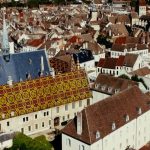
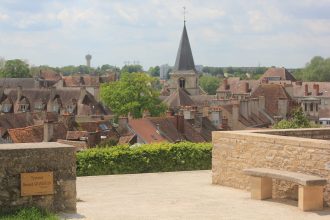
Autun’s cobblestone streets and timbered houses reveal everyday life during the Middle Ages. Wandering through the historic town center, visitors encounter squares that hosted markets, guild halls, and community gatherings. The street layout, with narrow alleys opening to wider plazas, reflects medieval urban organization. Seasonal markets often bring the past alive, offering traditional crafts and regional products that echo centuries-old practices.
This section of the city encourages exploration on foot. You can stop at small cafés or shops tucked within ancient buildings, appreciating how history integrates seamlessly into modern life. Stories from residents add depth to the experience, sharing centuries-old traditions and legends.
Nearby Medieval Sites
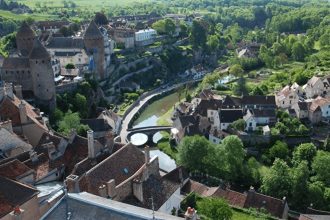
A short journey from Autun enriches understanding of the region’s medieval landscape. Medieval Semur en Auxois offers another example of fortified towns with impressive walls, towers, and churches. Visiting these nearby sites allows travelers to compare architectural styles and witness the diversity of Burgundy’s medieval heritage.
The excursion also highlights social and economic life during the Middle Ages, showing how towns were interconnected through trade, defense, and religion. Travelers gain perspective on how Autun fits into the broader tapestry of medieval Burgundy.
Visiting Tips for Autun and Its Roman and Medieval Heritage
Autun is easy to explore on foot, but knowing a few practical details enhances the visit. Understanding seasonal variations, guided tour options, and access to key sites ensures a smooth experience.
Best Times to Visit
Spring and early autumn offer mild weather and fewer crowds. Festivals during these periods, often linked to medieval history, provide immersive experiences with music, crafts, and local traditions.
Guided Tours and Resources
Local guides provide context beyond what signs and brochures can convey. Museums and cultural centers feature exhibits that explain archaeological findings and medieval civic life, adding layers to the visit.
How to Reach Key Sites
Most attractions are within walking distance of the city center. Public parking and pedestrian-friendly streets make moving from the Roman theatre to the cathedral or city walls convenient. Clear signage ensures travelers can follow self-guided tours easily, combining exploration with flexibility.
Autun and Its Roman and Medieval Heritage: Appreciating the Past Today
Visiting Autun allows travelers to step directly into history. Roman theatres, city walls, and medieval cathedrals reveal the city’s layered past. The streets, squares, and surrounding towns provide insights into civic life across centuries, from ancient performances to medieval markets.
For those eager to understand the Roman era further, the ancient Roman theatre remains offer detailed historical context, helping visitors connect with the city’s foundational stories. By exploring both local sites and nearby towns, travelers gain a richer appreciation of Burgundy’s enduring legacy.
Autun’s Roman and medieval landmarks invite reflection, curiosity, and engagement. Every stone, sculpture, and street contributes to a living narrative that continues to inspire those who walk its paths. This city proves that history is not only preserved in museums but also woven into the very fabric of everyday life.