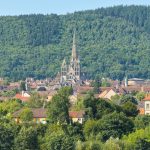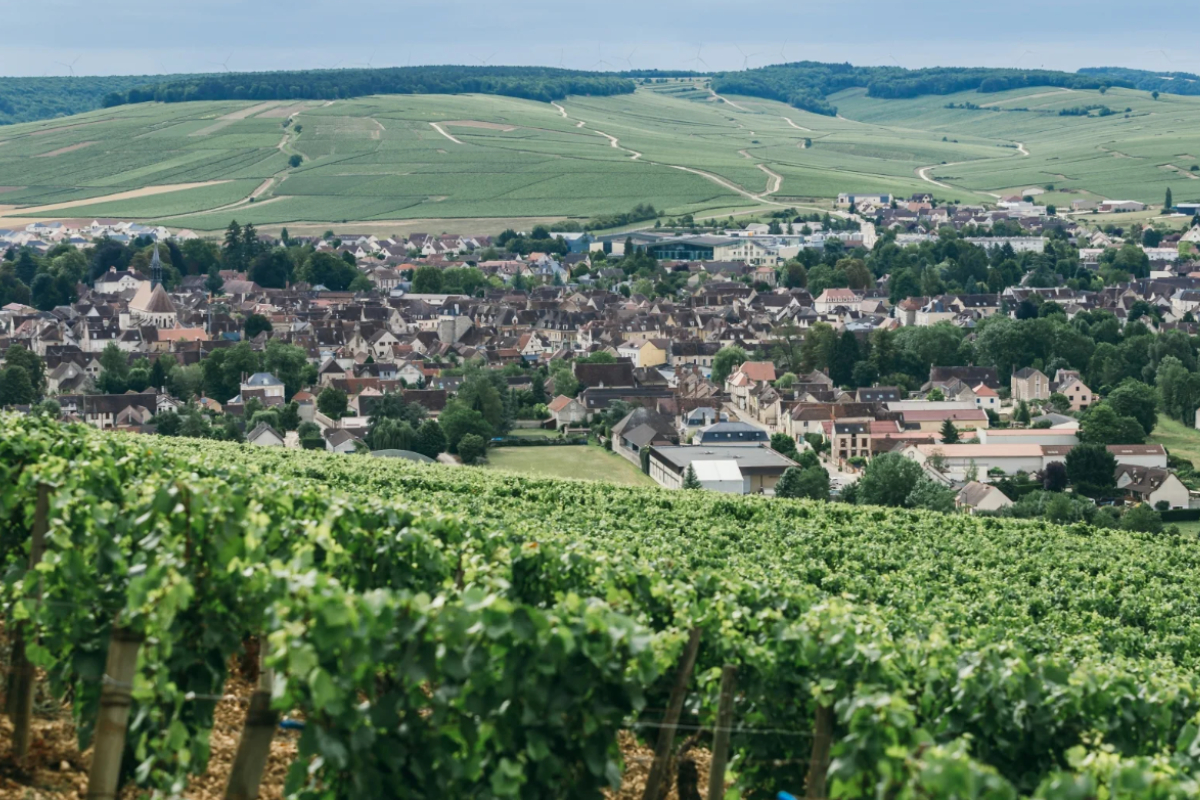
Chablis beyond the vineyards offers a richer view of northern Burgundy than wine alone can provide. While many visitors arrive for its world-famous Chardonnay, the town has deep history, winding streets, and river landscapes that tell stories centuries old. From riverside walks to quiet medieval lanes, Chablis presents a layered experience that goes beyond tasting rooms. Travelers seeking culture, history, or nature will find plenty to do in this serene town. Understanding its heritage adds depth to a visit, allowing visitors to see how life and work shaped the region alongside its vineyards.
For newcomers, the combination of cultural sites, outdoor paths, and local architecture offers a unique perspective. Before diving into detailed explorations, here’s a concise view of what makes Chablis, beyond the vineyards, worth your time.
What to See and Do in Chablis
A visit to Chablis beyond the vineyards is a journey into history, scenery, and small-town charm. This town is more than wine; it has layers of heritage and nature to uncover. Here’s a quick overview of what you can experience:
- Winding streets lined with centuries-old stone houses, quaint squares, and quiet corners.
- Riverside walks and gentle hikes along the River Yonne, offering peaceful scenery and birdwatching opportunities.
- Religious and cultural landmarks that shaped local life for centuries.
- Nearby towns highlight the broader northern Burgundy heritage and regional history.
These highlights set the stage for a deeper exploration of Chablis beyond its vineyards, offering both educational and leisurely experiences.
Understanding Chablis Beyond the Vineyards
Chablis has always been more than just a wine-producing town. Its location along the River Yonne shaped settlement patterns, trade, and community life. Today, visitors can follow traces of the past through cobbled streets, riverside paths, and historical architecture. Experiencing Chablis beyond the vineyards means noticing the interplay of geography, history, and daily life.
A Historic Town Shaped by the River Yonne
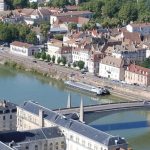
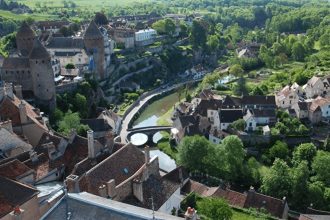
The River Yonne runs gently through Chablis, connecting it to other settlements across northern Burgundy. The river influenced trade, transportation, and even the placement of religious buildings. Visitors walking along the riverside can imagine centuries of merchants and villagers moving goods along its banks. The calm water and scenic paths make it an ideal location for photography or a reflective stroll. The river also shaped the local economy in ways unrelated to viticulture, including milling, fishing, and small-scale commerce.
The town itself was part of a network of River Yonne settlements, where strategic positions along the river encouraged growth and cultural exchange. Walking these paths today provides a clear sense of how the river defined daily life long before tourism existed.
Exploring the Townscape of Chablis Beyond the Vineyards
Beyond rivers and trade, Chablis has charming streets and stone houses that reflect its medieval past. Observing these buildings closely reveals the town’s resilience and its adaptation over centuries.
Churches, Monastic Traces, and Sacred Spaces
Religious buildings punctuate the townscape, with some dating back several centuries. These sites were not only centers of worship but also hubs for education and local governance. Their presence influenced the surrounding streets and community layout. Visiting these sacred spaces offers insight into the daily life and values of historic Chablis residents. Architectural details, such as carved stone facades and modest chapels, reveal how the town balanced function with artistry.
Streets, Stone Houses, and Daily Life
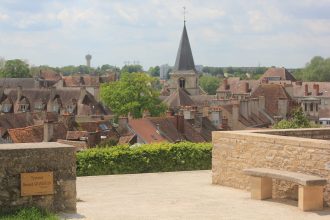
The main streets and side lanes are lined with stone houses, many with preserved timberwork or tiled roofs. Walking slowly through these areas highlights small courtyards, decorative ironwork, and centuries-old doorways. Observing the town from this perspective makes it clear how residents lived, worked, and socialized. Seasonal festivals, small markets, and occasional cultural events still reflect traditions shaped in these historic neighborhoods.
Nature and Outdoor Experiences Beyond the Vines
Chablis beyond the vineyards extends into surrounding hills, forests, and riverside paths. Nature provides a calm alternative to vineyard tours and tasting rooms, offering activities suitable for all ages.
Walking Paths Along the River and Hills
The River Yonne and nearby hills create routes perfect for walking or light hiking. Visitors can start in town and follow trails that loop along the river or ascend gentle slopes for panoramic views. Seasonal changes bring varying colors to the landscape, from spring blossoms to autumn foliage. These walks highlight the natural environment that has always complemented Chablis’ human history. Travelers can enjoy birdwatching, sketching, or simply the serenity of rural Burgundy on these paths. Several routes also connect to broader Burgundy walking trails, linking Chablis to neighboring villages and natural landmarks.
Day Trips That Complement Chablis Beyond the Vineyards
Venturing outside town expands understanding of northern Burgundy’s culture. Nearby villages and small towns preserve historic architecture and local traditions that have shaped the region.
Discovering Northern Burgundy’s Cultural Depth
Short trips from Chablis reveal Romanesque churches, museums, and quiet streets that highlight centuries of local life. Artifacts, town squares, and artisan workshops provide glimpses of daily routines beyond viticulture. Experiencing these areas adds context to Chablis itself, showing how cultural exchange, trade, and settlement patterns influenced the broader northern Burgundy heritage. Day trips like these enrich the visitor’s understanding, making the town a gateway rather than an isolated destination.
When and How to Experience Chablis Beyond the Vineyards
Timing and logistics affect how fully visitors can appreciate Chablis’ non-wine attractions. Planning carefully ensures a balanced experience of town, nature, and neighboring cultural sites.
Best Times to Visit for Culture and Nature
Spring and early summer bring mild weather, blooming flora, and quieter streets. Autumn offers striking colors in the surrounding hills and along the river, perfect for photography or gentle walks. Summer can be busier, but early mornings and late afternoons provide calm exploration opportunities. Timing your visit around these periods allows for an immersive experience of Chablis beyond the vineyards.
Getting Around Without a Car
The town is compact and walkable, making it easy to explore streets, religious sites, and riverside paths on foot. For longer excursions, local buses or short train trips connect Chablis to nearby villages. Travelers can spend several days absorbing both the natural and cultural offerings without needing extensive travel.
Enjoying Chablis Beyond the Vineyards
Chablis, beyond the vineyards, offers a multi-layered experience of northern Burgundy. Visitors can trace the town’s history through riverside paths, explore stone streets and sacred spaces, and take gentle excursions into the surrounding countryside. Observing local architecture, historic landmarks, and nearby villages adds context to the daily life that existed long before the town became synonymous with Chardonnay.
For those seeking further historical background, reviewing Chablis town history can provide additional context about settlement patterns and local evolution, complementing a visit and enriching the understanding of the area.