The Route des Grands Crus is one of Burgundy’s most celebrated wine roads, yet many travelers only see it as a checklist of famous names. In reality, this historic route offers a deeper story shaped by land, time, and daily life. For visitors planning a meaningful trip through Burgundy, understanding how this route works changes how every vineyard, village, and glass of wine feels.
Rather than rushing from tasting to tasting, the route invites slower travel. It rewards attention, patience, and curiosity. This guide explains what the route is, why it matters, and how to experience it in a way that feels thoughtful rather than rushed.
What the Route des Grands Crus Reveals to Visitors
Before exploring details, it helps to see the route as more than a wine road. It reflects how Burgundy organizes land, values tradition, and protects vineyard identity.
Below is a brief look at what this guide will cover.
- Where the Route des Grands Crus runs and why it matters
- How the vineyard system works
- What visitors should understand before planning stops
- How to approach the route with confidence
This overview sets the stage for a deeper look at the route itself.
What the Route des Grands Crus Is
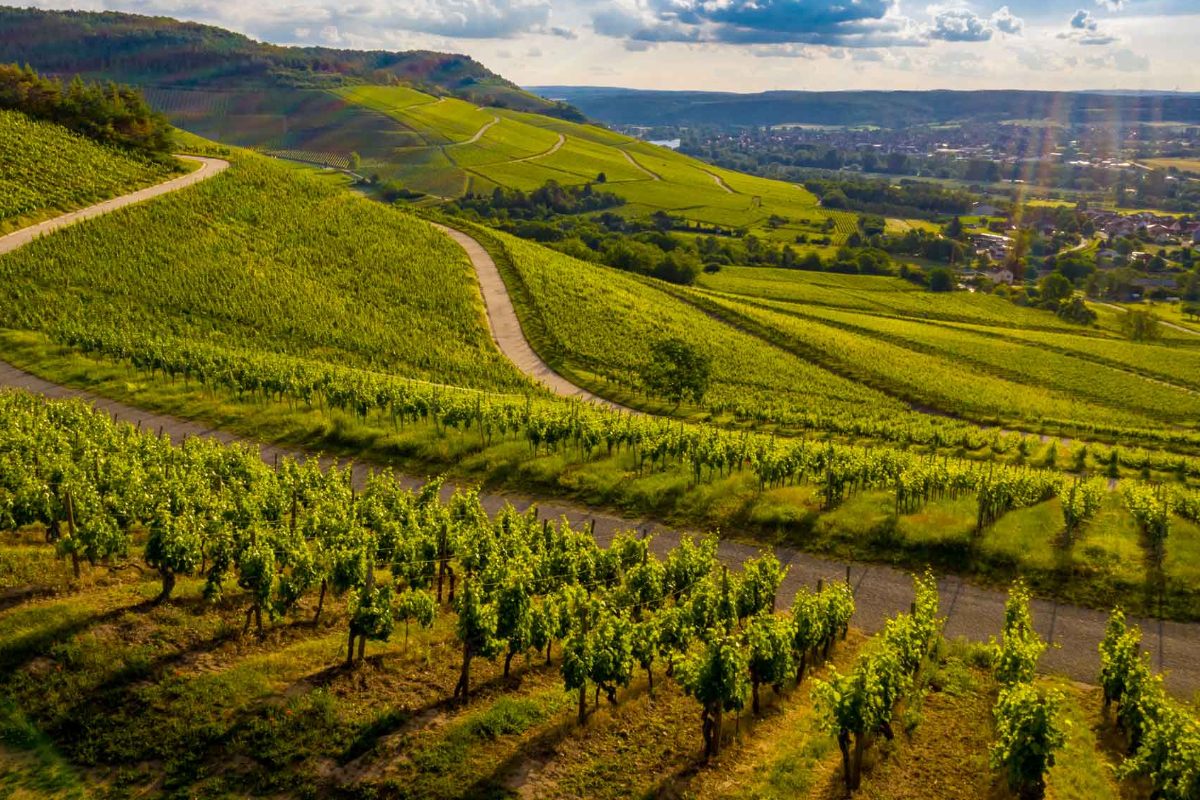
The Route des Grands Crus is a historic wine road running through a narrow band of vineyard land along Burgundy’s eastern slopes. It follows terrain shaped by centuries of careful cultivation rather than modern design. The route links vineyard parcels recognized for long-standing quality and consistency.
What makes the route unique is how closely vineyards sit to village life. Stone walls, narrow roads, and family homes stand beside vines that define global wine standards. Wine growing developed here as part of everyday life, not apart from it. This closeness explains why the route feels lived-in rather than staged.
The term Grands Crus refers to Burgundy’s highest vineyard classification. These vineyards appear repeatedly along the route, giving travelers a chance to see how small shifts in land influence reputation. Understanding this foundation helps visitors recognize why the route holds such importance before learning about villages, wines, and travel planning later in the guide.
Understanding the Route des Grands Crus
The Route des Grands Crus stretches roughly 60 kilometers between Dijon and Santenay. It runs through the Côte de Nuits and Côte de Beaune, two areas that define Burgundy’s wine identity. Limestone soils, gentle slopes, and careful exposure support vineyards known worldwide.
Rather than a single attraction, the route works as a sequence of short encounters. Each stop adds context to the next. This rhythm encourages slower travel and closer observation.
Wine Villages Shaping the Route des Grands Crus
Villages along the route sit close together, yet each holds a clear personality. Gevrey-Chambertin feels grounded and structured, while Vosne-Romanée carries quiet refinement. Beaune often serves as a central base, offering access to tastings, lodging, and food. Many travelers view it as the heart of Burgundy wine, where vineyard culture and visitor life meet.
Walking these villages reveals old presses, vineyard markers, and cellars tucked beneath streets. These details show how wine shaped settlement patterns over time.
Wines Found Along the Route des Grands Crus
Pinot Noir dominates red production, showing differences shaped by soil and slope. Chardonnay appears more often in the southern stretches, offering balance and depth rather than power. Grand Cru vineyards stand out not by size, but by consistency across generations.
Visitors often notice how wines change from one village to the next. This contrast adds meaning to tastings and vineyard walks.
Cultural Roots and Local Rhythm
Wine sets the pace of life here. Harvest brings long days and shared effort, while winter turns attention inward. Many estates remain family-run, with methods passed down rather than replaced. This continuity explains why the route feels steady rather than polished.
Planning Your Route des Grands Crus Experience
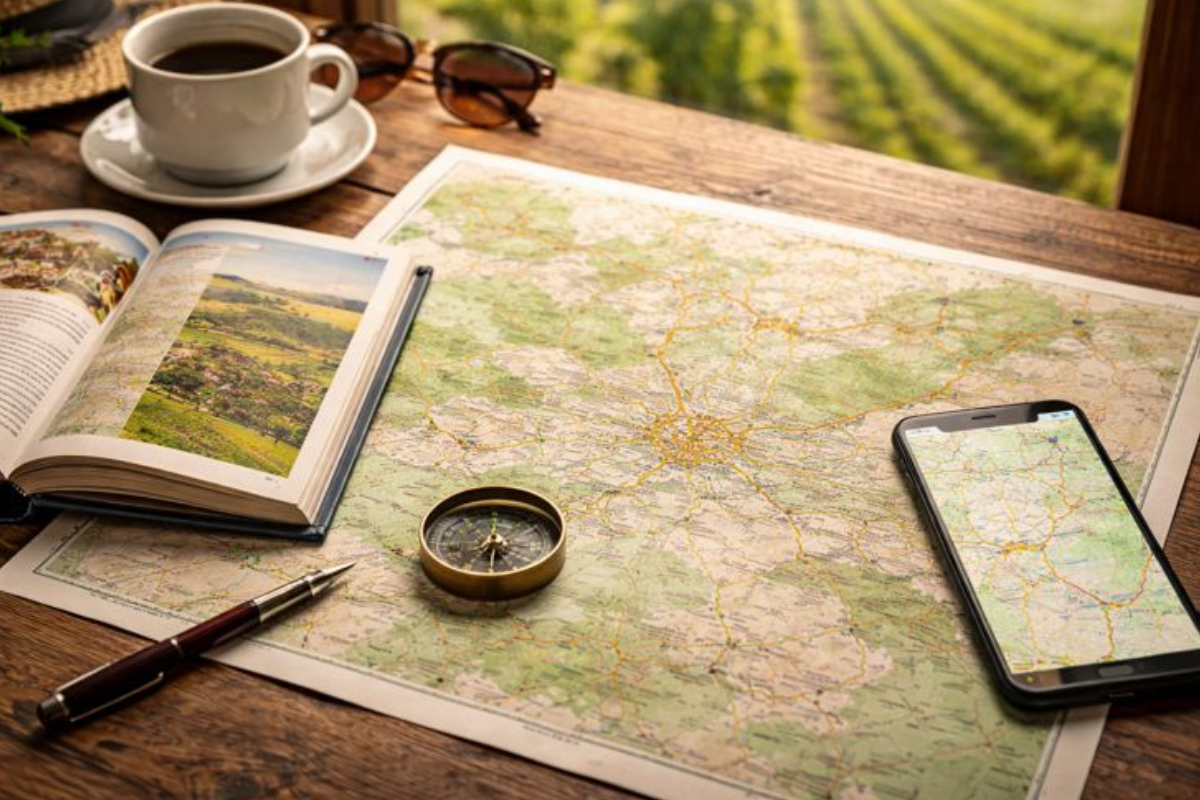
Thoughtful planning shapes how enjoyable the journey feels. Timing, movement, and expectations matter more here than speed.
Best Seasons to Visit the Route des Grands Crus
Spring brings fresh growth and fewer visitors. Summer offers long days, though popular villages feel busier. Autumn draws attention due to harvest activity and changing vineyard colors. Winter suits travelers who prefer quiet roads and private visits.
Seasonal events influence availability, so checking dates early helps avoid surprises.
Transportation and Movement Along the Route
Driving allows flexibility, while cycling suits those who prefer close contact with the landscape. Many visitors combine both approaches. Some also extend their wine-focused travels and choose to explore Chablis vineyards and beyond, adding contrast to their Burgundy experience.
Each option shapes how much time visitors spend in villages versus vineyards.
Wine Tastings and Estate Visits
Appointments matter along this route. Smaller producers often require advance notice. Tastings frequently include personal stories that connect wine to land and family history. Meeting producers highlights Burgundy winemakers’ craft, turning bottles into lasting memories.
Limiting tastings each day helps maintain focus and enjoyment.
Suggested Itineraries Along the Route des Grands Crus
Different schedules call for different approaches. Sample itineraries help balance structure with freedom.
One-Day Route des Grands Crus Experience
A single day works well when based in Dijon or Beaune. Choosing two or three villages allows time for walking, tasting, and observation without rushing.
Two-Day or Longer Route des Grands Crus Stay
Spreading visits across days allows deeper engagement. Visitors can combine tastings with local meals and evening walks. Overnight stays reveal rhythms missed on day trips.
Quiet Stops Beyond Famous Names
Some of the most memorable visits happen in lesser-known villages. Family estates often offer conversation and calm without crowds. These moments add depth to the journey.
Practical Advice for the Route des Grands Crus
Reservations help avoid missed opportunities, especially at small estates that host only a few visitors each day. Confirming times in advance also allows producers to prepare tastings that feel personal rather than rushed. Keeping your daily schedule light leaves room for conversation, short walks, and unplanned stops that often become highlights.
Weather conditions shape the experience more than many travelers expect. Sun protection matters in summer, while layered clothing works best in spring and autumn when temperatures shift quickly. Comfortable shoes make vineyard paths and village streets easier to enjoy, particularly when exploring sloped terrain or gravel tracks.
Local lunches offer a natural pause between tastings. A simple meal resets the palate and adds structure to the day, helping visitors appreciate wines with more clarity. Many travelers also keep brief notes during visits, recording impressions or stories shared by producers. Later, those notes often bring moments back to life when bottles are opened at home.
The Route des Grands Crus as a Lasting Travel Experience
The Route des Grands Crus rewards patience and attention. It connects wine to land, people, and time in ways few destinations manage. Travelers who seek a deeper understanding often find value in learning about Burgundy wine classifications, which adds clarity to vineyard names and labels encountered along the road.
By approaching the route with curiosity and care, visitors leave with more than bottles. They carry a clearer sense of Burgundy itself, shaped by place, tradition, and thoughtful travel.