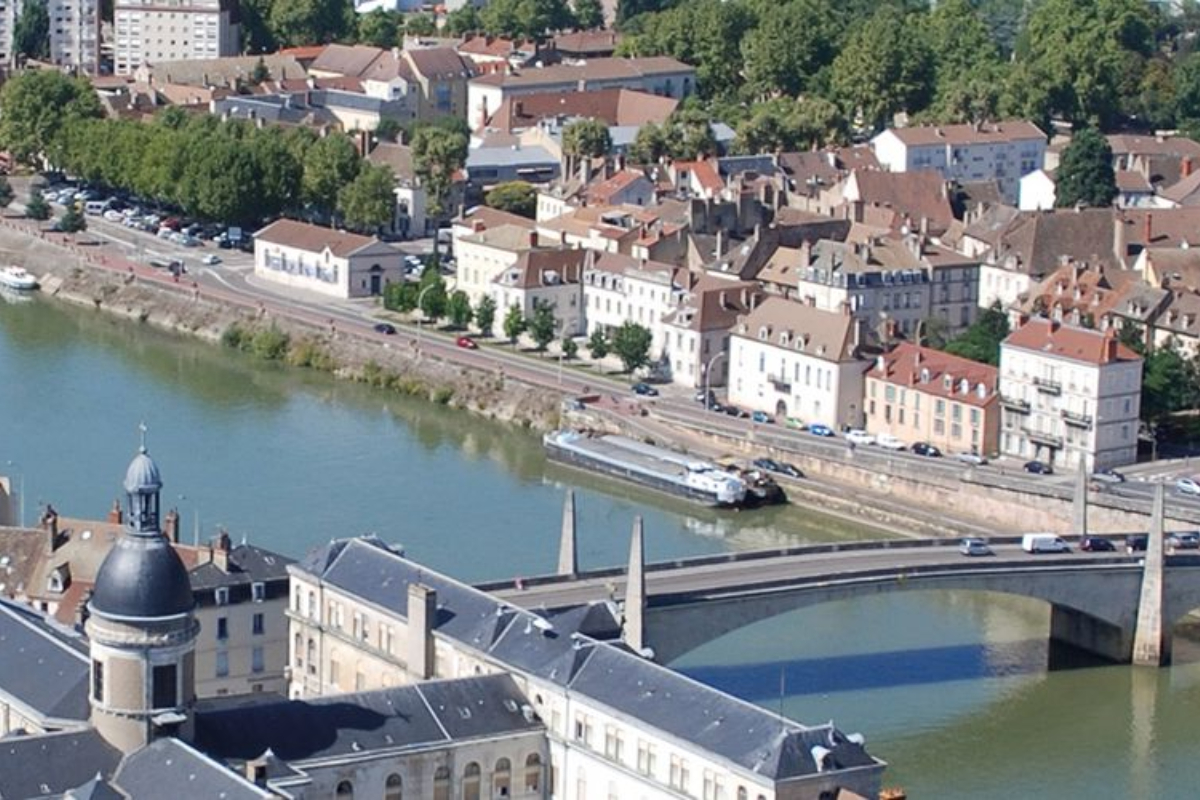
Chalon sur Saône has long been a cornerstone of Burgundy’s commercial history. Nestled along the Saône River, this town played a crucial role in connecting inland Burgundy to major trade routes across France. Its strategic location allowed merchants to transport goods efficiently, shaping both the economy and the culture of the region. From medieval grain shipments to modern river commerce, Chalon sur Saône illustrates how waterways can define a town’s significance. As we explore its past and present, you will see why this riverside town continues to captivate visitors and history enthusiasts alike.
Understanding Chalon sur Saône’s role in trade requires examining both its historical context and its ongoing influence. The town’s commercial legacy is not only visible in old warehouses and port structures but also in its cultural fabric, offering a fascinating journey through Burgundy’s economic development. Below, we provide a clear overview before diving into the detailed history, attractions, and modern insights.
Chalon sur Saône: A Historical Snapshot
Chalon sur Saône’s importance in river trade cannot be overstated. Its location on the Saône River made it an essential hub for merchants transporting goods to Lyon and beyond. The town’s economic and cultural life flourished thanks to this connectivity, creating opportunities for commerce, industry, and local artisans.
Visitors today can quickly appreciate Chalon sur Saône’s historical significance through its key landmarks and cultural heritage. These highlights provide a tangible sense of how river trade shaped the town over centuries. Below is a brief overview of what makes Chalon sur Saône a vital site for Burgundy’s commercial history:
- Central location on the Saône River linking Burgundy to the Rhône
- Medieval trade in goods such as wine, grain, and salt
- Renaissance and industrial developments in river transport infrastructure
- Modern cultural sites preserving Chalon’s trading heritage
This snapshot offers a foundation for understanding the more detailed exploration of Chalon sur Saône’s trading past and present.
Discovering Chalon sur Saône in France
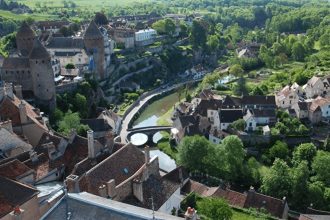
Chalon sur Saône lies in the southern part of Burgundy, along the banks of the Saône River. The town combines charming riverside streets with a rich cultural scene, from museums to traditional markets. Its mix of historic architecture and modern amenities makes it a welcoming destination for travelers. Visitors can enjoy scenic river walks, vibrant town squares, and local gastronomy that reflects the region’s culinary heritage.
This section sets the stage for understanding why Chalon sur Saône became a thriving hub of commerce and trade, leading naturally into its historical significance.
Historical Significance of Chalon sur Saône
Chalon sur Saône’s story begins with its medieval roots, where the river served as the lifeline for commerce. The town quickly developed into a thriving hub, attracting merchants and artisans from across Burgundy and beyond. Its location allowed for the smooth flow of goods, from local wine and grains to imported luxuries.
Chalon sur Saône in Medieval Trade
During the Middle Ages, Chalon sur Saône became known for its bustling market activity. Merchants utilized the historic Burgundy rivers to transport goods efficiently, establishing trade links with nearby towns and distant cities. Wine and grain were among the most traded commodities, often stored in local warehouses before further distribution. These early trade networks not only enriched the town but also fostered cultural exchange, as travelers and merchants from different regions brought ideas, customs, and innovations.
The town’s riverside location also encouraged the growth of specialized professions. Shipbuilders, barge operators, and merchants created a robust local economy that depended heavily on the Saône. Even today, remnants of medieval port structures and bridges hint at the town’s former prominence in regional trade.
Renaissance and Early Modern Developments
By the Renaissance, Chalon sur Saône had expanded its influence through improved river transport. Canals were constructed, warehouses modernized, and trading routes extended toward Paris and Lyon. The town became a critical node within the Burgundy river network, linking inland regions with broader European markets. These developments allowed merchants to handle larger shipments more efficiently, and Chalon became a model for other river towns in Burgundy.
Renaissance-era merchants introduced new trading practices and bookkeeping methods that helped professionalize commerce. Guilds and merchant associations flourished, creating a sense of community while regulating trade practices. The town’s architecture, with its well-preserved warehouses and merchant houses, still reflects this period of economic prosperity.
Trade and Industry in the 18th–19th Century
The 18th and 19th centuries brought industrial innovations that further enhanced Chalon sur Saône’s river trade. Barges became more specialized, and river transport became faster and safer. The town diversified its trading portfolio, dealing in textiles, timber, and regional agricultural products. Industrial growth led to new employment opportunities, drawing workers from nearby villages. Chalon sur Saône’s riverfront evolved into a vibrant commercial district, balancing traditional river commerce with emerging industries.
This period also saw local infrastructure improvements. Bridges, docks, and warehouses were updated to handle increased trade volumes. The integration of modern transport methods ensured that Chalon remained relevant in a rapidly changing economic landscape.
Exploring Chalon sur Saône Today
Modern Chalon sur Saône offers visitors a unique glimpse into its trading past while providing cultural and recreational experiences along the river. The town’s historical legacy blends seamlessly with contemporary attractions, making it a destination worth visiting for travelers and history enthusiasts alike.
Historical Sites Related to River Trade
Visitors can walk along the Saône to see remnants of old port structures and warehouses. Museums such as the Musée Nicéphore Niépce offer insights into the town’s economic history, illustrating how river trade shaped local culture. Guided tours provide additional context, highlighting architectural details, former trading routes, and stories of the merchants who built the town’s prosperity.
Cultural Insights and Local Experiences
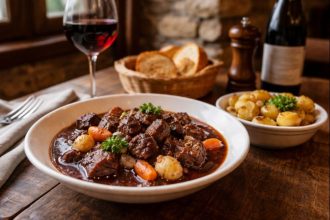
Chalon sur Saône hosts annual events and markets that celebrate its rich heritage. Local cuisine often reflects the town’s trading history, with dishes that incorporate regional produce, wine, and river fish. Festivals create opportunities to witness traditional crafts and regional specialties, connecting visitors with the town’s economic and cultural identity.
Practical Tips for Visitors
Travelers should consider timing their visits to enjoy festivals or market days. Walking routes along the Saône offer scenic views and a sense of the town’s historical layout. Understanding Chalon sur Saône’s connection to the Dijon trading hub helps visitors appreciate how regional commerce shaped local life. Public transportation and local accommodations are accessible, allowing for easy exploration of both historical sites and modern attractions.
Chalon sur Saône: A Living River Town
Chalon sur Saône continues to exemplify the importance of rivers in shaping towns and economies. The Saône River not only supported historical trade but also still provides scenic beauty, cultural events, and leisure opportunities today. Walking along the river, visitors can imagine the bustling activity of merchants and barges that once defined the town. Museums, historical sites, and local cuisine all contribute to a comprehensive experience that brings Chalon sur Saône’s trading legacy to life.
For readers curious about the broader context, river transport in France played a significant role in regional commerce, making towns like Chalon sur Saône essential to France’s economic development over centuries.
Chalon sur Saône remains a vibrant example of how history, geography, and commerce intersect. Its streets, riverfront, and cultural offerings remind visitors that trade and community have always been deeply intertwined in Burgundy.